
NNPC says gas pipelines are not to blame for Nigeria's recent power generation slump
The Nigerian National Petroleum Company refuted claims that its gas transportation network is limiting electricity output, noting that pipelines are operating normally while gas production rose about 10% in 2026.
By LAS News Desk · Published 7 Nov 2026, 21:45 WAT
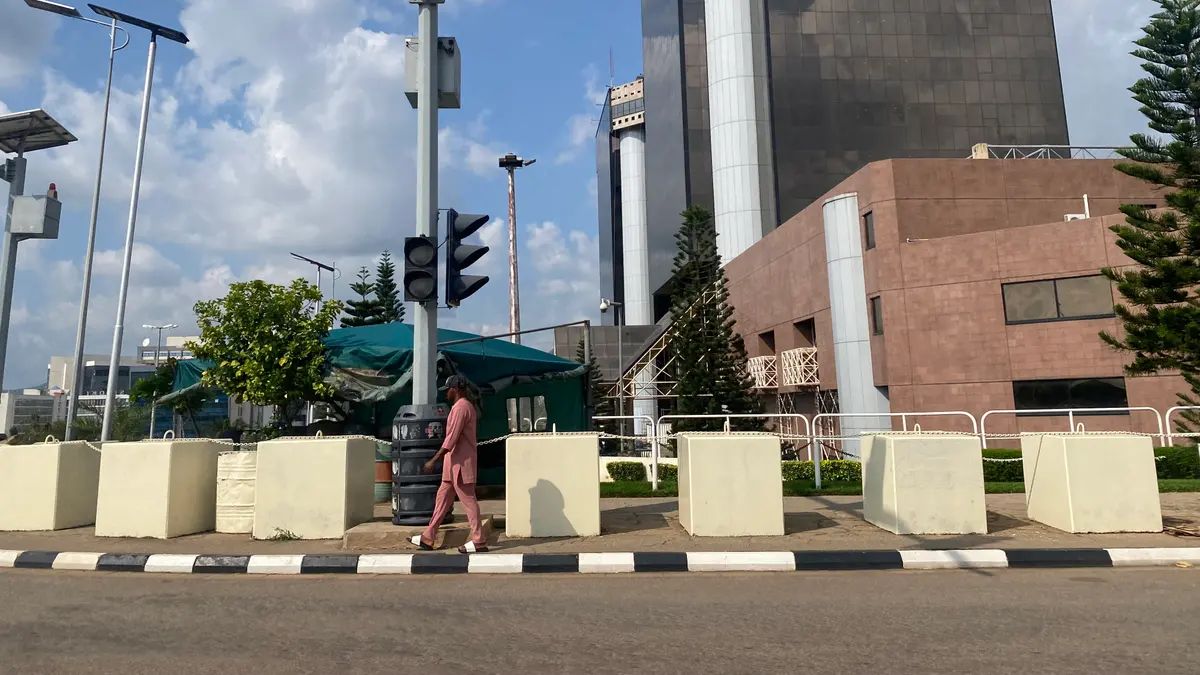
The Nigerian National Petroleum Company Limited (NNPC) has issued a statement denying that constraints in its gas transportation system are responsible for the recent decline in electricity generation across the country. In a briefing held in Abuja on 6 November 2026, Chief Corporate Communications Officer Andy Odeh said the pipelines managed by the subsidiary NNPC Gas Infrastructure Company Limited (NGIC) are fully operational and capable of delivering gas to power plants nationwide.
NNPC’s clarification comes after the Nigerian Independent System Operator (NISO) attributed the lower generation levels on 5 November to limited gas availability and reduced water inflows at hydroelectric stations. While NISO highlighted gas shortages as a factor, NNPC stressed that its transport network shows no operational bottlenecks and that gas production has risen by roughly 10 percent year‑to‑date in 2026, reflecting the federal government’s gas development and monetisation agenda.
Background
The dispute centres on the gas‑to‑power value chain, which links upstream gas production, commercial supply arrangements, transportation, and the final delivery to generating units. NISO’s 5 November report identified two primary contributors to the shortfall: constrained gas supplies and diminished hydro‑water inflows. In response, NNPC released a statement on 6 November, signed by Andy Odeh, asserting that NGIC’s operational records do not reveal any transportation‑related constraints that could explain the generation drop.
NNPC highlighted that its subsidiary’s pipeline network remains available for nationwide deliveries and that the recent increase in gas output is a direct result of the government’s policy push. However, the company cautioned that the availability of transport infrastructure does not automatically guarantee smooth operation of the entire gas‑to‑power chain. It called for separate assessments of gas production volumes, commercial contracts, and the actual offtake at individual power stations.
Why it matters
Nigeria’s electricity supply has been under intense scrutiny as consumers experience fewer power hours. If gas, a primary fuel for thermal power plants, is indeed constrained, it could exacerbate the generation deficit and affect industrial output, household consumption, and overall economic growth. NNPC’s assertion that pipelines are functioning and that production has risen aims to reassure stakeholders that the bottleneck lies elsewhere, possibly in plant maintenance, generation unit readiness, or the logistics of gas offtake.
The company also emphasized the need for a coordinated review involving gas producers, transporters, power generators, and NISO. Accurate reporting across the entire value chain, according to NNPC, is essential to pinpoint specific constraints and restore public confidence in the energy sector.
What happens next
NNPC has offered to support a joint review of operational data with the relevant parties to identify any precise constraints within the gas‑to‑power system. The statement indicates that such a review would examine generation unit availability, maintenance schedules, and actual gas offtake alongside transport network performance. No specific timeline for this coordinated assessment was provided, but the company’s commitment to a collaborative approach suggests that further discussions with NISO and other stakeholders are forthcoming.
The ongoing dialogue underscores the complexity of Nigeria’s power challenges, with multiple agencies and private operators needing to align on data and operational practices to resolve the current shortfall.
Sources
Spotted an error? Report a correction · Corrections policy
Related stories
NNPC plans to sell up to 10% of equity in IPO, eyeing domestic and possible London or New York listings
The Nigerian National Petroleum Company is considering an IPO that could offer between 5% and 10% of its shares, with the primary focus on the local market and a secondary listing in London or New York under review.
Photo: Yahuzaishat / Wikimedia Commons · CC BY-SA 4.0
LAS News Desk · 4 Nov 2026, 12:47 WAT · 2 sources
Nigeria's NNPC posts September profit of $378 million on $3.4 billion revenue
The state oil firm recorded revenue of N4.61 trillion (about $3.4 billion) and a profit after tax of N509 billion (approximately $378 million) in September, with hydrocarbon output rising to 3.04 million barrels of oil equivalent per day.
Photo: Simoniwodi / Wikimedia Commons · CC BY-SA 4.0
LAS News Desk · 4 Nov 2026, 12:16 WAT · 2 sources
Transmission Company of Nigeria refutes Ikeja Electric’s claim that grid instability caused recent Band A outages
The Transmission Company of Nigeria (TCN) said the Band A feeder outages recorded on 3‑4 November were due to reduced generation from gas‑fuelled and hydro plants, not grid instability, and criticised Ikeja Electric’s public notice as misleading.
Photo: Godmyhelper / Wikimedia Commons · CC BY-SA 4.0
LAS News Desk · 6 Nov 2026, 22:15 WAT · 6 sources
NISO attributes Nigeria's power blackouts to gas shortages and low water inflows
The Nigerian Independent System Operator has explained that recent nationwide power cuts are caused by limited gas supply to thermal plants and reduced water levels affecting hydroelectric generation.
LAS News Desk · 5 Nov 2026, 20:47 WAT · 2 sources
Gas shortages and low water levels cut Nigeria’s power output, NISO says
Nigeria’s grid operator NISO blamed limited gas supply to thermal plants and reduced hydro output for a fall in generation, forcing shorter supply hours and more load shedding nationwide.
LAS News Desk · 5 Nov 2026, 16:15 WAT · 4 sources
Nigeria’s Power Minister dismisses tariff hike rumours amid new Ibadan mini‑grid rollout
Minister Joseph Tegbe affirmed that the federal government has no plan to raise electricity tariffs, announcing the launch of five World Bank‑backed mini‑grid projects totalling 17.7 MW in Ibadan, aimed at expanding local power access.
LAS News Desk · 15 Oct 2026, 21:45 WAT · 2 sources
More Africa/Nigeria news ›
- Nigeria releases 98 containers of power equipment stranded for two decades
- Navy dismantles three illegal refineries in Rivers State, seizes 117,000 litres of crude
- Adeboye Orders Return of Illicit Donations, EFCC Chairman Confirms
- Kano task force seizes 3.18 million suspected pregabalin capsules in Sabon Gari
- Nigeria's Flamingos clinch historic 2-1 win over Japan to become first African U‑17 Women’s World Cup champions