
NISO attributes Nigeria's power blackouts to gas shortages and low water inflows
The Nigerian Independent System Operator has explained that recent nationwide power cuts are caused by limited gas supply to thermal plants and reduced water levels affecting hydroelectric generation.
By LAS News Desk · Published 5 Nov 2026, 20:47 WAT
The Nigerian Independent System Operator (NISO) has identified gas supply constraints and reduced water inflows as the primary causes of the recent decline in electricity generation across the national grid. In a statement issued on Thursday, November 5, 2026, the agency explained that these factors have triggered widespread blackouts and increased load shedding in various parts of the country.
According to NISO, the limited availability of natural gas has prevented several thermal power stations from operating at their full available capacity. Simultaneously, lower water inflows into reservoirs have diminished the output of hydroelectric power stations. The simultaneous decrease in power generation has directly affected the amount of electricity distributed to Distribution Companies (DisCos) for consumer delivery. Consequently, residents are experiencing fewer hours of electricity supply and more frequent power cuts, with the severity of the disruption varying by region depending on local generation availability and specific allocations.
Background
The current crisis follows reports from earlier in the year indicating that major cities, including Lagos and Abuja, were already facing significant electricity supply disruptions. During that period, local distributors like Ikeja Electric and the Abuja Electricity Distribution Company (AEDC) blamed the power cuts on diminished allocations from the national grid and technical issues. The recent statement by NISO provides a broader systemic explanation for these ongoing issues, pointing to upstream supply problems rather than just local distribution failures.
NISO acknowledged the significant impact of the generation shortfall on electricity consumers nationwide. The organization acknowledged the worries expressed by the public and other stakeholders concerning the consistency of the power supply. The operator emphasised that the level of disruption is not uniform across the country, as it depends on the specific generation mix and the corresponding electricity allocations made to individual distribution companies.
Why it matters
The reduction in available generation has resulted in a tangible decrease in the quantum of electricity reaching end-users. For consumers, this translates into shorter supply hours and increased frequency of load shedding, which affects daily life, business operations, and industrial productivity. The variation in impact across different distribution networks means that some regions are experiencing more severe outages than others, creating an uneven energy landscape within the country.
NISO indicated that it is actively pursuing measures to broaden the national grid's energy sources to enhance the security of electricity provision. This strategic move aims to reduce reliance on any single source of power, thereby mitigating the risk of similar shortages in the future. The body reiterated its dedication to preserving grid stability and maximizing the use of currently available generation, notwithstanding existing operational limitations. These initiatives aim to guarantee the ongoing safe, dependable, and effective functioning of the national grid.
What happens next
While NISO has outlined its commitment to diversifying the energy mix and maintaining grid stability, the statement did not provide specific timelines for when the gas supply constraints or water inflow issues would be resolved. The agency indicated that it continues to operate within the prevailing operational constraints, focusing on optimising the dispatch of available generation to manage the current shortfall. No immediate new dates or specific pending decisions regarding infrastructure upgrades or supply contracts were detailed in the release.
Sources
Spotted an error? Report a correction · Corrections policy
Related stories
Gas shortages and low water levels cut Nigeria’s power output, NISO says
Nigeria’s grid operator NISO blamed limited gas supply to thermal plants and reduced hydro output for a fall in generation, forcing shorter supply hours and more load shedding nationwide.
LAS News Desk · 5 Nov 2026, 16:15 WAT · 4 sources
Four new transmission substations commissioned in Kano, adding 544MW to the power grid
The Federal Ministry of Power and the Transmission Company of Nigeria commissioned four transmission substations in Kano State, increasing grid capacity by 544 megawatts and aiming to ease overloads and serve industrial, commercial and residential users.
LAS News Desk · 25 Oct 2026, 16:15 WAT · 3 sources
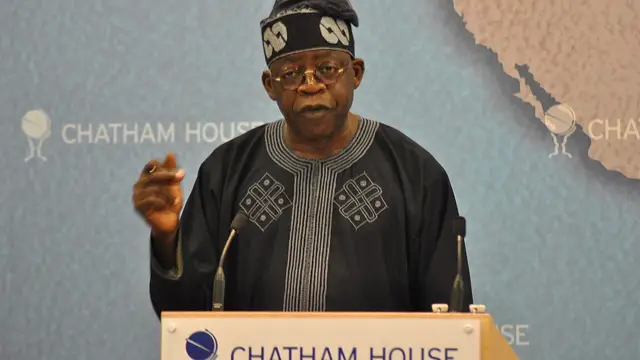
President Tinubu orders clearance of over 300 containers of stranded power equipment in Nigeria
President Bola Tinubu has directed the Ministry of Power to work with the Nigerian Ports Authority and Customs to release more than 300 containers of electricity equipment that have been held at ports for up to two decades, as part of a broader push to expand transmission capacity.
Photo: Chatham House / Wikimedia Commons · CC BY 2.0
LAS News Desk · 29 Oct 2026, 04:16 WAT · 2 sources
Seyi Makinde unveils Reset Nigeria agenda, pledging power decentralisation and economic reforms
Allied Peoples Movement candidate Seyi Makinde launched his Reset Nigeria manifesto in Abuja, asserting Nigeria’s wealth in resources but criticizing its leadership, and outlining plans for state‑run electricity, tax reforms and security restructuring ahead of the 2027 election.
LAS News Desk · 4 Nov 2026, 14:15 WAT · 5 sources
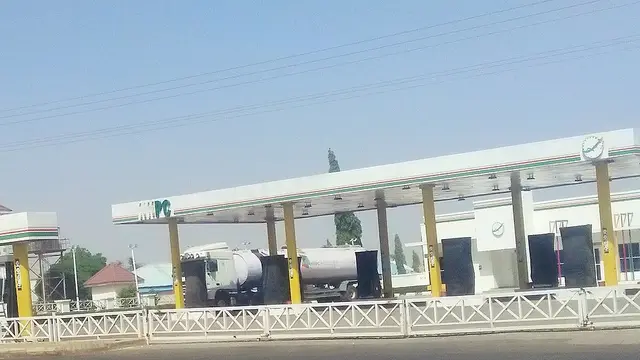
NNPC plans to sell up to 10% of equity in IPO, eyeing domestic and possible London or New York listings
The Nigerian National Petroleum Company is considering an IPO that could offer between 5% and 10% of its shares, with the primary focus on the local market and a secondary listing in London or New York under review.
Photo: Yahuzaishat / Wikimedia Commons · CC BY-SA 4.0
LAS News Desk · 4 Nov 2026, 12:47 WAT · 2 sources
Nigeria's headline inflation eases to 14.6% in September as energy costs jump
The National Bureau of Statistics reported a fall in overall inflation to 14.63% in September 2026, the fourth consecutive monthly decline, while energy inflation more than doubled to 10.85% and food prices remained high.
LAS News Desk · 15 Oct 2026, 19:15 WAT · 10 sources
More Africa/Nigeria news ›
- NDC and SDP condemn court ruling that nullifies David Mark-led ADC leadership
- Nigeria President Tinubu urges Flamingos to win historic U-17 Women's World Cup final
- Peter Obi blames APC for court ruling invalidating ADC leadership
- British doctor who contracted Ebola in DR Congo transferred to London’s Royal Free Hospital
- Abia PDP endorses Tinubu for 2027 as APC launches state campaign council