
Nigeria's September inflation eases to about 14.6% as food prices soften and energy costs jump
Nigeria's headline inflation fell to roughly 14.6% in September 2026, driven by a slowdown in food price growth, while energy inflation more than doubled. The Central Bank also cut its policy rate amid the easing trend.
By Lawal Ayo, Editor & Founder · Published 15 Oct 2026, 15:15 WAT · Updated 15 Oct 2026, 16:15 WAT
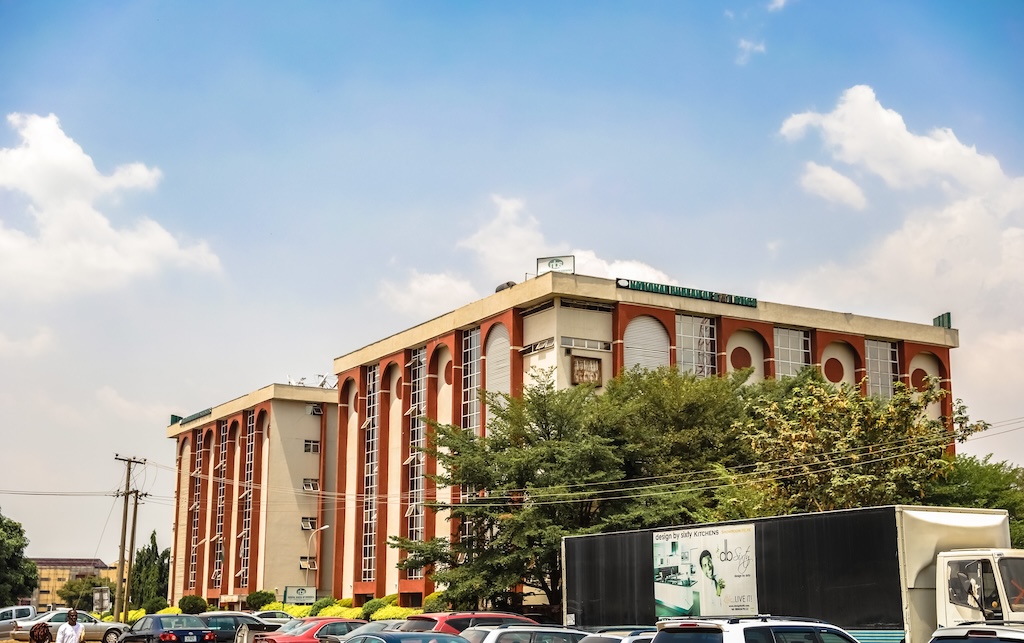
Overall inflation trend The National Bureau of Statistics (NBS) released its Consumer Price Index (CPI) report on 15 October 2026, showing that Nigeria’s headline inflation rate declined to 14.63 percent in September, down from 15.39 percent in August. This represents a reduction of about 0.76 percentage points month‑on‑month and a larger fall compared with the 20.98 percent recorded in September 2025. The figure aligns with reports from Premium Times, Punch and Leadership, which all cite the same NBS data.
Food price dynamics Food inflation remained elevated but showed a modest easing, standing at 19.59 percent year‑on‑year in September, slightly above the 19.57 percent recorded in August. The NBS attributed the slowdown to lower average prices for items such as short‑grain rice, maize flour, onions, palm oil, tomatoes, okra, potatoes, plantain and eggs. On a month‑on‑month basis, food prices actually fell, with a decline of 1.55 percentage points, indicating a brief reprieve for households facing high living costs.
Energy price pressure In contrast to the overall moderation, energy inflation surged dramatically. Nairametrics reported that the annual rate for energy rose to 10.85 percent in September, more than double the 4.69 percent recorded in August. The NBS data showed a 6.16‑point jump within a single month, marking the third‑highest energy inflation reading for the first nine months of 2026. The spike is linked to heightened global oil market volatility following the conflict involving Iran, Israel and the United States, which pushed domestic fuel prices higher.
Monetary policy response The Daily Post noted that the Central Bank of Nigeria (CBN) responded to the easing headline inflation by reducing its Monetary Policy Committee (MPC) benchmark interest rate to 23 percent, down from 26.5 percent. The rate cut was presented as a measure to support economic activity while acknowledging the lower inflation trajectory.
Divergence in reported figures While most outlets quoted the NBS headline rate as 14.63 percent, Daily Post reported a slightly higher figure of 14.64 percent for September. The difference is marginal and reflects rounding variations across publications.
Outlook The simultaneous decline in headline and food inflation, alongside a sharp rise in energy costs, underscores a mixed inflationary environment. Core inflation, which excludes volatile food and energy items, remained high at 12.95 percent year‑on‑year, suggesting that underlying price pressures persist. Analysts will likely monitor whether the recent monetary easing translates into sustained price stability, especially as global energy markets remain unsettled.
Sources
- BREAKING: Nigeria’s inflation dropped to 14.63% in September, says NBS — Punch
- Inflation Falls to 14.63% in September as Food Prices Drop — Leadership
- Breaking: Nigeria’s inflation rate drops to 14.63% — Vanguard
- Nigeria’s inflation eases to 14.63% in September — Premium Times
- Nigeria’s inflation rate drops to 14.64% in September — Daily Post
- Nigeria’s energy inflation more than doubles to 10.85% in September — Nairametrics
Spotted an error? Report a correction · Corrections policy
More in Africa/Nigeria

Infantino apologises to FIFA Council after scrapped investment plan sparks scrutiny
FIFA president Gianni Infantino issued an apology to the Council following the abandonment of the FFE proposal, but officials say he must provide documents and answers to remain fit to lead.
Lawal Ayo · 15 Oct 2026, 16:29 WAT · 3 sources

Gospel singer Toluwanisings dies after being rushed to eight Ibadan hospitals
Late Nigerian gospel artist Olayemi Bayonile Bolaji, known as Toluwanisings, collapsed early on 14 October 2026 and was taken to seven or eight hospitals in Ibadan before he was pronounced dead. His personal assistant reported that the facilities cited a doctors’ strike or unavailability as reasons for refusing admission.
Lawal Ayo · 15 Oct 2026, 16:15 WAT · 10 sources

Fire breaks out at Oluku Market, Benin City
A fire destroyed a row of roadside shops and stalls at Oluku Market in Benin City, Edo State, on Thursday afternoon, according to videos sent to LAS News.
Lawal Ayo · 15 Oct 2026, 15:30 WAT