
Gas shortages and low water levels cut Nigeria’s power output, NISO says
Nigeria’s grid operator NISO blamed limited gas supply to thermal plants and reduced hydro output for a fall in generation, forcing shorter supply hours and more load shedding nationwide.
By LAS News Desk · Published 5 Nov 2026, 15:45 WAT · Updated 5 Nov 2026, 16:15 WAT
Power output falls amid gas and water shortages
On 5 November 2026 the Nigerian Independent System Operator (NISO) released a statement explaining a sharp decline in electricity generation on the national grid. The operator said that shortages of natural gas for thermal power plants and lower water inflows into hydroelectric reservoirs were the main reasons for the drop. Due to lower power production, distribution firms have been compelled to shorten electricity supply windows and expand load shedding, resulting in reduced power availability for homes and companies during periods of peak cooling needs.
In a document endorsed by NISO executives, it was emphasized that scarce gas supplies have stopped impacted thermal plants from running at maximum output. At the same time, reduced water levels in reservoirs have weakened the output of hydroelectric stations. The combined effect has lowered the volume of electricity that can be allocated to DisCos, resulting in shorter supply hours and more frequent load‑shedding.
According to NISO, the severity of the situation differs across areas based on the volume of generated electricity and the specific shares assigned to individual distribution companies. The operator acknowledged the difficulties faced by consumers nationwide and expressed appreciation for the concerns raised by the public and other stakeholders.
Background
Nigeria’s power system relies heavily on two main sources of generation: gas‑fired thermal plants and hydroelectric stations. In recent years the country has struggled to maintain a stable supply, with frequent outages and load‑shedding episodes. NISO, the body that manages the national grid, has repeatedly warned that dependence on gas is a central weakness of the system.
The current shortfall follows a period of intense heat across the country, which has increased demand for electricity. Earlier reports from NISO and other media outlets have highlighted that gas supply constraints and low water levels have already been affecting generation capacity. The operator has stated that it is actively working to diversify the energy mix of the grid to strengthen supply security and reduce exposure to such operational constraints.
Why it matters
The reduction in generation directly affects the amount of power that can be distributed to consumers. With fewer hours of supply, households and businesses experience more frequent power cuts, which can disrupt daily life, business operations and essential services such as healthcare and education. The statement from NISO also indicated that the severity of the impact varies across different regions, meaning that some areas may face more prolonged outages than others.
This revelation from NISO highlights how susceptible Nigeria's power infrastructure is to interruptions in the two primary sources of grid electricity. The operator’s commitment to maintaining grid stability and optimising dispatch of available generation is aimed at mitigating the immediate effects of the shortfall, but the underlying issues of gas supply and water levels remain unresolved.
What happens next
NISO has not announced specific dates for when generation levels will return to normal. The managing body indicated that work is continuing to broaden the variety of energy sources on the national grid, although a specific schedule for these changes was not disclosed. The statement also reaffirmed NISO’s commitment to maintaining grid stability, ensuring secure and efficient operation of the grid within prevailing operational constraints.
The situation remains fluid, with the extent of load‑shedding and supply hours continuing to vary by region as the grid operator adjusts allocations to DisCos based on available generation.
Sources
- Gas shortages, low water levels reduce power generation — NISO — Punch
- Nigeria’s grid operator blames gas shortages, low water for power slump — BusinessDay
- National Grid: NISO explains cause of reduced power supply nationwide — Daily Post
- NISO blames gas shortages, low water levels for drop in power generation — Vanguard
Spotted an error? Report a correction · Corrections policy
Related stories
NISO attributes Nigeria's power blackouts to gas shortages and low water inflows
The Nigerian Independent System Operator has explained that recent nationwide power cuts are caused by limited gas supply to thermal plants and reduced water levels affecting hydroelectric generation.
LAS News Desk · 5 Nov 2026, 20:47 WAT · 2 sources
Four new transmission substations commissioned in Kano, adding 544MW to the power grid
The Federal Ministry of Power and the Transmission Company of Nigeria commissioned four transmission substations in Kano State, increasing grid capacity by 544 megawatts and aiming to ease overloads and serve industrial, commercial and residential users.
LAS News Desk · 25 Oct 2026, 16:15 WAT · 3 sources
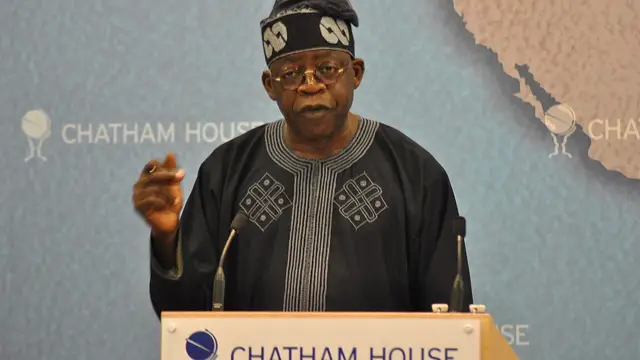
President Tinubu orders clearance of over 300 containers of stranded power equipment in Nigeria
President Bola Tinubu has directed the Ministry of Power to work with the Nigerian Ports Authority and Customs to release more than 300 containers of electricity equipment that have been held at ports for up to two decades, as part of a broader push to expand transmission capacity.
Photo: Chatham House / Wikimedia Commons · CC BY 2.0
LAS News Desk · 29 Oct 2026, 04:16 WAT · 2 sources
TotalEnergies completes $800m sale of 10% stake in Nigeria’s Renaissance licences
The French company has sold its 10% non‑operated interest in 15 oil licences of the Renaissance joint venture to Vaaris for $800m, retaining full economic interest in three gas licences that supply half of Nigeria LNG.
LAS News Desk · 28 Oct 2026, 04:46 WAT · 2 sources
Nigeria’s Power Minister dismisses tariff hike rumours amid new Ibadan mini‑grid rollout
Minister Joseph Tegbe affirmed that the federal government has no plan to raise electricity tariffs, announcing the launch of five World Bank‑backed mini‑grid projects totalling 17.7 MW in Ibadan, aimed at expanding local power access.
LAS News Desk · 15 Oct 2026, 21:45 WAT · 2 sources
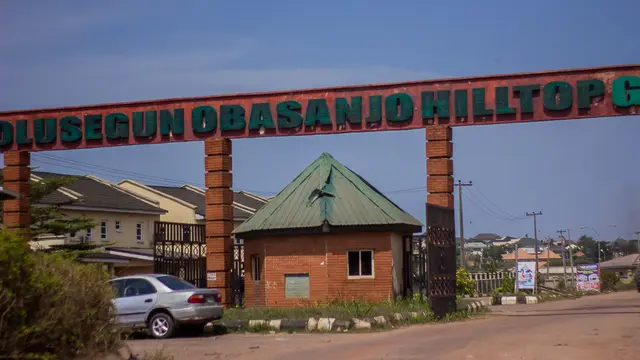
Olujuwon Obasanjo joins PBAT Door‑to‑Door Movement as adviser, backs President Tinubu’s 2027 re‑election bid
Former President Olusegun Obasanjo’s son, Olujuwon Obasanjo, was appointed Special Adviser on Political Affairs for the PBAT Door‑to‑Door Movement in Abuja and pledged support for President Bola Ahmed Tinulu’s 2027 re‑election campaign.
Photo: MediaMOF / Wikimedia · CC BY-SA 4.0
LAS News Desk · 5 Nov 2026, 08:34 WAT · 5 sources
More Africa/Nigeria news ›
- NDC and SDP condemn court ruling that nullifies David Mark-led ADC leadership
- Nigeria President Tinubu urges Flamingos to win historic U-17 Women's World Cup final
- Peter Obi blames APC for court ruling invalidating ADC leadership
- British doctor who contracted Ebola in DR Congo transferred to London’s Royal Free Hospital
- Abia PDP endorses Tinubu for 2027 as APC launches state campaign council