
Ukraine imposes media ban on reporting damage to critical infrastructure amid intensified Russian strikes
President Volodymyr Zelensky signed a decree prohibiting outlets from publishing details on the destruction and repair timelines of key energy and transport sites as Russia escalates attacks before winter, citing security concerns.
By LAS News Desk · Published 29 Nov 2026, 11:46 WAT
On 28 November 2026 the Ukrainian government announced a new restriction on media reporting about the impact of Russian attacks on the country’s critical infrastructure. A decree signed by President Volodymyr Zelensky orders the government to take "urgent measures" to prevent outlets from publishing information on the consequences of destruction and the timelines for restoring facilities such as the energy grid, water supplies and major bridges. The measure was presented as a response to a surge in missile and drone strikes targeting power stations, bridges in Kyiv and other essential assets as Russia steps up its campaign ahead of the winter months.
The announcement came after Kyiv Mayor Vitali Klitschko reported a fresh wave of attacks that killed one woman and injured four people in the capital. While the mayor confirmed that critical infrastructure had been hit, he did not provide specifics on the damage. The decree also instructs the Ministry of Defence and the General Staff to enhance protection of energy infrastructure, a step that was reportedly proposed at a Security Council meeting held the previous month.
Background
Since the Russian invasion began in 2022, both sides have employed varying degrees of information control. Ukraine has repeatedly asked media outlets to refrain from publishing the locations or extent of damage caused by Russian strikes, arguing that such details enable Moscow’s forces to plan subsequent attacks. The latest decree formalises this practice, extending the ban to cover not only the sites themselves but also any reporting on the progress of repairs. According to reports from DW and France 24, the decree does not specify enforcement mechanisms, leaving the practical application unclear.
The timing coincides with a marked increase in Russian attacks on the energy network and other vital systems. Reuters‑photographed damage to a power substation in the Odesa region on 24 November illustrates the scale of recent destruction. Russian missile and drone strikes have also targeted major bridges in Kyiv, disrupting heating, electricity and water supplies for civilians as temperatures are expected to fall sharply this winter.
Why it matters
The restriction directly affects journalists and news organisations operating in Ukraine, limiting their ability to inform the public about the state of essential services. By curbing the flow of information, the government aims to complicate Russian targeting efforts, a rationale echoed by France 24’s correspondent who said the goal is to make it harder for Moscow to assess the success of its attacks. At the same time, the ban may hinder humanitarian response and public awareness of infrastructure failures, potentially affecting civilians who rely on timely updates about power and water outages.
International observers have noted the broader implications for press freedom in a conflict zone. While the decree is presented as a security measure, it adds to a pattern of censorship that began with the 2022 invasion. The lack of detail on enforcement raises questions about how the ban will be applied and whether it could be used to suppress broader reporting beyond the stated scope.
What happens next
The decree does not outline specific penalties or a timeline for implementation, and no enforcement procedures have been disclosed. Ukrainian officials indicated that the Ministry of Defence and the General Staff will take steps to better protect critical energy infrastructure, but concrete actions were not detailed. As winter approaches, the government is expected to monitor the effectiveness of the media ban and may adjust the measures based on the evolving security situation. Meanwhile, media outlets will need to navigate the new restrictions while continuing to cover the humanitarian impact of the ongoing attacks.
Sources
- Ukraine war briefing: Kyiv restricts media reporting of damage to key infrastructure from Russian strikes — Guardian Europe
- Amid Russian strikes, Ukraine restricts reporting on their impact — DW Top
- Ukraine restricts reporting on impact of Russian strikes — France 24
- Zelensky limits reporting on Russian strike damage to critical infrastructure — France 24 Europe
Spotted an error? · Corrections policy
Related stories
Ukraine’s overnight missile strike severely damages the Kerch Bridge linking Crimea to Russia
Ukraine launched a Flamingo cruise missile at the Kerch Bridge on the night of 16‑17 November 2026, causing major damage and halting traffic, while Russia simultaneously struck two bridges in Kyiv.
LAS News Desk · 17 Nov 2026, 20:57 WAT · 8 sources
Russian missile and drone strikes damage Kyiv bridge and power grid
Russia launched a massive overnight attack on Kyiv, damaging the Northern Bridge and critical energy infrastructure, leaving the capital facing severe shortages of heat and electricity as temperatures dropped.
LAS News Desk · 7 Nov 2026, 11:46 WAT · 2 sources

Zelensky meets US envoys before Abu Dhabi talks with Russia
Ukrainian President Volodymyr Zelensky held a 90‑minute discussion with US special envoy Steve Witkoff and Jared Kushner ahead of trilateral talks with Russia scheduled for 10‑11 November in Abu Dhabi.
LAS News Desk · 5 Nov 2026, 10:36 WAT · 2 sources
Russian bombing of aid centre in Zaporizhzhia kills dozens and leaves many missing
A Russian strike on a former school used as an aid distribution point in Komyshuvakha, Zaporizhzhia region, has killed between 26 and 37 people and left over 50 missing, prompting international condemnation and upcoming diplomatic talks.
LAS News Desk · 4 Nov 2026, 16:45 WAT · 4 sources
Ukraine claims drone strike hits major synthetic‑rubber plant in Togliatti amid wider attacks on Russian facilities
Ukraine said its forces targeted the Tolyattikauchuk petrochemical complex in Togliatti on 24 October, while Russian officials reported damage to several industrial sites in the city and elsewhere, with no casualties reported in Togliatti.
LAS News Desk · 25 Oct 2026, 06:16 WAT · 3 sources
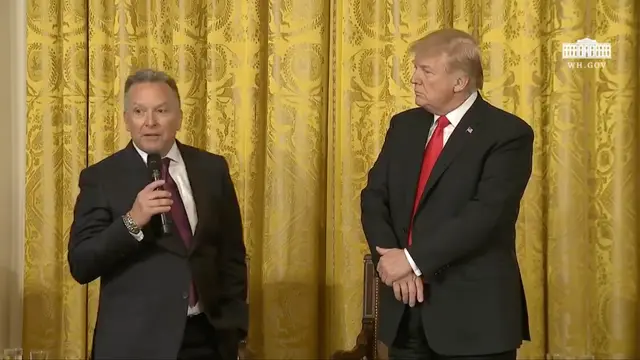
US envoy Steve Witkoff arrives in St Petersburg to meet Putin after constructive talks with Zelensky
Steve Witkoff, Donald Trump’s special envoy, landed in St Petersburg to discuss the Ukraine conflict with President Vladimir Putin following a positive meeting with Ukrainian President Volodymyr Zelensky in Oslo. The talks aim to open a pathway for further diplomatic engagement.
Photo: Wikimedia Commons contributor / Wikimedia Commons · Public domain
LAS News Desk · 21 Oct 2026, 09:45 WAT · 8 sources
More World news ›
- Magnitude 5.0 quake off Manhattan Beach shakes Los Angeles, triggers airport disruption and refinery safety shutdowns
- Iran’s Supreme Leader Calls for Overhaul of Intelligence Ministry After Security Gaps Exposed
- Spanish journalist attacked by Israeli settlers during West Bank reporting
- Iran reportedly employed SpaceX's Starlink internet service in attacks on US forces after US‑Israel strikes
- Pakistan announces deployment of troops to Saudi Arabia amid heightened Houthi attacks