
Kremlin criticises Europe for failing to select representative for Ukraine security talks
Kremlin spokesman Dmitry Peskov stated that European nations have not agreed on who will represent the continent in future security negotiations regarding a potential end to the war in Ukraine.
By LAS News Desk · Published 6 Nov 2026, 12:47 WAT
The Kremlin has accused European nations of failing to determine which official would represent the continent in future negotiations concerning European security. These comments were made by Kremlin spokesman Dmitry Peskov on Friday, following a series of high-level diplomatic engagements aimed at addressing the ongoing conflict in Ukraine. Peskov stated that while Russia acknowledges the necessity of European involvement in any mutual security guarantees between Moscow and Kyiv, it has not yet received any specific proposals or a unified position from European officials.
According to Peskov, the current situation reflects a state of prolonged indecision and an unwillingness to engage in serious discussions with Russia. He noted that the future security architecture of Europe will inevitably become a topic of conversation when talks on mutual security guarantees between Russia and Ukraine commence. Consequently, he argued that it would be impossible to reach an agreement without the participation of European leaders at some stage. However, he criticised the European side for not having established a clear chain of command or a single voice to speak on behalf of the continent.
Background
The Kremlin's remarks come in the wake of a meeting held in Brussels on Thursday, which brought together officials from the United States, Ukraine, NATO, and various European partners. The primary focus of this gathering was to discuss security guarantees for Kyiv and to outline a broader framework for European security. During this period, US President Donald Trump suggested that a significant agreement to end the war might involve the entire continent of Europe.
Prior to the Brussels meeting, there were direct communications between Russian President Vladimir Putin and leaders from Finland and Norway. Norway's head of government, Jonas Gahr Støre, and Finland's president, Alexander Stubb, engaged in a telephone conversation with Putin to address the current diplomatic negotiations. Both the Finnish and Norwegian governments clarified that their leaders were speaking only as representatives of their respective countries, rather than on behalf of Europe as a whole.
Despite these clarifications, the direct contact between Putin and the Nordic leaders drew criticism from other European figures. Danish Prime Minister Mette Frederiksen expressed strong skepticism regarding the initiative, stating that she did not believe Russia was genuinely seeking peace with either Ukraine or Europe. Conversely, Støre justified the direct dialogue with the Russian leader, asserting that it was crucial for Putin to receive European perspectives firsthand, instead of relying on intermediaries like the Trump administration officials currently attempting to facilitate a settlement.
Why it matters
The dispute over European representation highlights a significant diplomatic challenge in the efforts to resolve the Ukraine conflict. For any potential peace agreement to be durable, it must address the security concerns of the entire European continent, not just the immediate belligerents. The Kremlin's public criticism suggests that Moscow views the lack of a unified European stance as a barrier to progress. By pointing to the inability of European leaders to agree on a spokesperson, the Kremlin is framing the delay in negotiations as a failure of European political will rather than a strategic pause.
This internal division among European leaders complicates the diplomatic landscape. While some leaders, like Støre, advocate for direct engagement to ensure European interests are heard, others, like Frederiksen, remain deeply distrustful of Russian intentions. This divergence in approach makes it difficult to present a cohesive front in international negotiations. The stakes are high, as the outcome of these talks will determine the future security architecture of Europe and the long-term stability of the region. The inability to agree on who speaks for Europe may further delay the process of establishing mutual security guarantees, potentially prolonging the conflict or leaving security gaps unaddressed.
What happens next
The sources do not specify immediate next steps or scheduled dates for further negotiations between Russia and a designated European representative. However, the ongoing diplomatic efforts, including the work of US officials to broker a peace deal, continue. The European leaders will likely need to resolve their internal disagreements on representation before they can engage in the specific discussions on mutual security guarantees that the Kremlin has indicated are necessary for a final settlement.
Sources
Spotted an error? Report a correction · Corrections policy
Related stories
Saudi, Turkish and Pakistani delegations meet Iran in Tehran to curb Middle East fighting
Senior officials from the Mecca defence pact travelled to Tehran on 27 October 2026, seeking to de‑escalate the eight‑month war after fresh Houthi attacks on Saudi Arabia and Egypt’s approval of defence aid for Riyadh.
LAS News Desk · 27 Oct 2026, 11:15 WAT · 10 sources
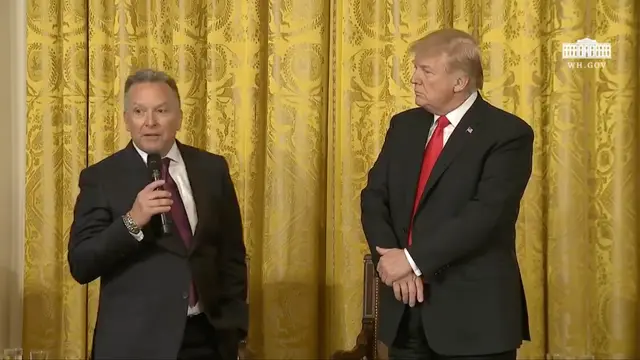
US envoy Steve Witkoff arrives in St Petersburg to meet Putin after constructive talks with Zelensky
Steve Witkoff, Donald Trump’s special envoy, landed in St Petersburg to discuss the Ukraine conflict with President Vladimir Putin following a positive meeting with Ukrainian President Volodymyr Zelensky in Oslo. The talks aim to open a pathway for further diplomatic engagement.
Photo: Wikimedia Commons contributor / Wikimedia Commons · Public domain
LAS News Desk · 21 Oct 2026, 09:45 WAT · 8 sources
Pakistan’s leadership braces for US congressional scrutiny as Democrats take House, while citizens hope for economic relief
Following the Democrats’ victory in the US House of Representatives, Pakistan’s political and military elites anticipate increased oversight of their ties to the former Trump administration, whereas ordinary Pakistanis look to the shift for relief from soaring oil‑price driven inflation.
LAS News Desk · 6 Nov 2026, 12:15 WAT · 2 sources
Iran’s security chief meets Putin to discuss post‑war security and gas pipeline
Mohsen Rezaei met Vladimir Putin at the Kremlin on 5 November to talk about regional security, a post‑war framework and a new gas pipeline, while delivering a message from Iran’s Supreme Leader.
LAS News Desk · 5 Nov 2026, 21:15 WAT · 4 sources
Iran Declares No Intent to Negotiate with United States Amid Rising War Rhetoric
Iran's deputy parliamentary speaker said Tehran will not enter talks with the US, while US officials remain divided over further strikes, as the conflict that began in February escalates.
LAS News Desk · 1 Nov 2026, 13:17 WAT · 1 source
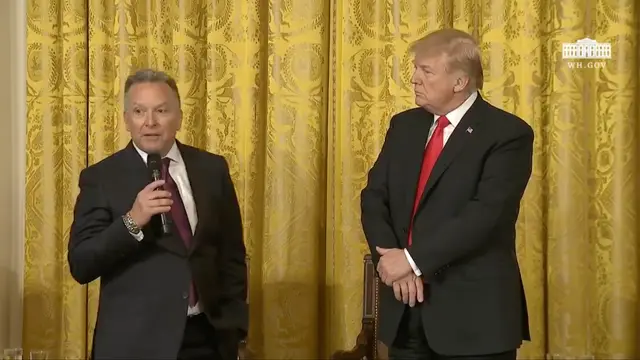
U.S. envoy meets Putin, discusses Ukraine talks and releases jailed American
President Vladimir Putin announced the freedom of 74‑year‑old US citizen Stephen Hubbard, held in Russia since 2022, while meeting US envoy Steve Witkoff. The release coincided with discussions on renewed Ukraine peace talks and a diesel‑supply agreement.
Photo: Wikimedia Commons contributor / Wikimedia Commons · Public domain
LAS News Desk · 27 Oct 2026, 17:45 WAT · 8 sources
More World news ›
- Paraguayan President Santiago Peña resigns and faces impeachment after Ueno Bank collapse
- Two children and a young adult killed in bus crash near Lent, France
- EU monitor: 2026 likely second-hottest year as El Nino intensifies
- Trump hints at ‘big, beautiful’ agreement that could cover all of Europe after meeting Putin’s envoy
- Global Tech Stocks Slide as U.S. Midterm Results Heighten AI Concerns