
Dangote Industries launches $2.5bn petroleum storage and pipeline project in Namibia, boosting regional energy links
Aliko Dangote announced a $2.5bn investment in a storage farm and pipeline network centred on Walvis Bay, aiming to cut fuel costs for land‑locked neighbours and raise Dangote Group’s Africa‑wide target to $60bn by 2030. Namibia’s president hailed the scheme as a historic milestone for industrialisation.
By LAS News Desk · Published 5 Nov 2026, 07:34 WAT
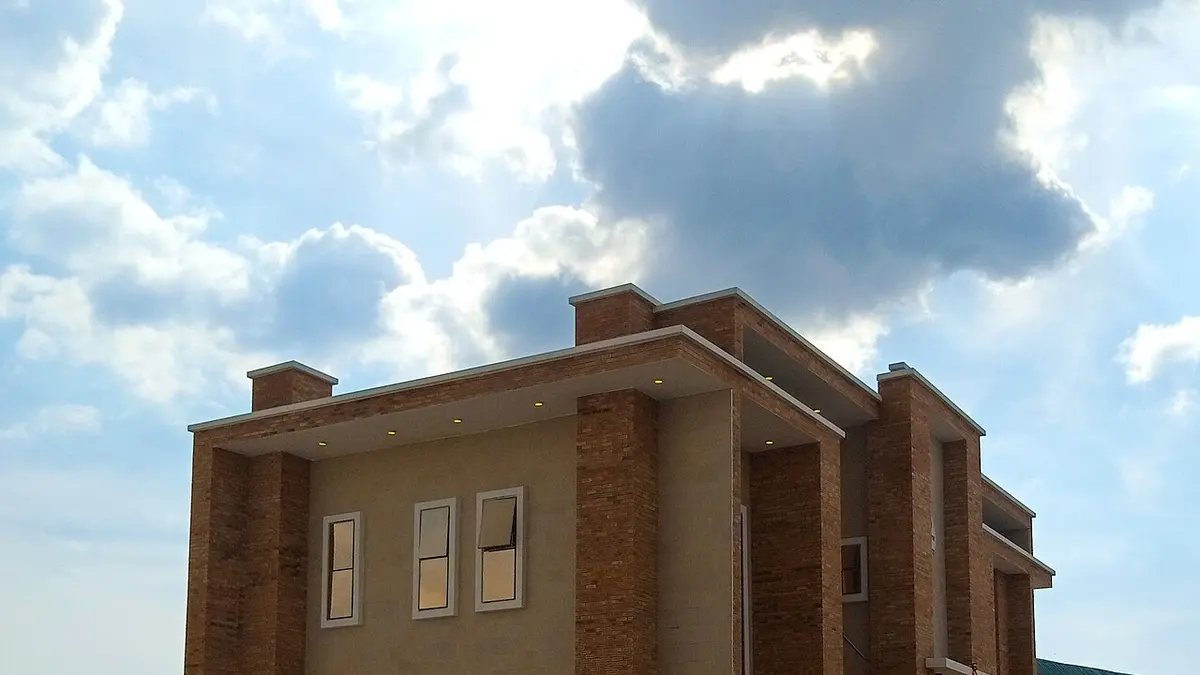
Aliko Dangote, who serves as both the head and top executive of Dangote Industries Limited, announced a financial commitment of US$2.5 billion for petroleum storage facilities and a regional pipeline during a ceremony held in Walvis Bay, Namibia, on 5 November 2026. According to the Dangote Group, this initiative represents the initial stage of a wider alliance with Namibia and features a 70-hectare tank farm located at Farm 58, approximately 10 km east of the coastal city, designed to hold 360 million litres of diesel and 240 million litres of petrol. The pipeline infrastructure will originate in Walvis Bay and stretch inland toward Otjiwarongo, with planned future links to Rundu, Ghanzi, and Francistown in Botswana, thereby establishing a distribution route serving Botswana, Zambia, Zimbabwe, Malawi, and the southern Democratic Republic of Congo.
The launch coincided with Dangote’s announcement that the Group’s long‑term investment ambition for Africa has been raised from US$50 billion to US$60 billion by 2030. The Namibian venture is positioned as a cornerstone of that strategy, complementing existing assets such as the 700,000‑barrel‑per‑day refinery in Lamu, Kenya, and fertilizer and petroleum projects in Ethiopia and Djibouti. Namibian President Dr Netumbo Nandi-Ndaitwah described the occasion as the most memorable day of her presidency and characterized the investment as a historic milestone for industrial development across Africa.
Background
Dangote Industries Limited, founded by Aliko Dangote, has pursued a continent‑wide agenda of building integrated production, storage and distribution hubs. The group’s Kenyan refinery, operational since 2023, marked its first major downstream venture. Subsequent projects in Ethiopia and Djibouti have focused on fertiliser and petroleum infrastructure, signalling a shift from commodity trading to asset ownership across the continent.
Namibia’s Sixth National Development Plan prioritises infrastructure, logistics, energy security and industrialisation, aligning with the African Continental Free Trade Area (AfCFTA) and the African Union’s Agenda 2063. To ensure smooth inter-agency cooperation and prevent the delays that hindered previous investment prospects, the government has assigned the new project to the coordination of the Office of the President.
The proposed storage facility will hold 600 million litres of petroleum products, while the pipeline network is expected to stretch roughly 1,700 kilometres. Detailed engineering studies, route surveys and regulatory approvals will determine the final alignment and length of the pipeline.
Why it matters
The initiative targets several strategic outcomes. By providing a coastal storage hub and inland pipeline, the project aims to lower transportation costs for land‑locked neighbours, improve fuel affordability and enhance supply reliability across Southern Africa. Dangote has stressed that the investment is not solely profit‑driven but intended to enable cheaper access to petroleum products for countries such as Botswana, Zambia, Zimbabwe, Malawi and the DRC.
Namibia stands to benefit from increased foreign direct investment, job creation during construction and operation, and opportunities for local contractors, transporters and small businesses. The president highlighted the need for Namibian firms to develop technical capacity to participate in emerging industrial supply chains, and indicated plans to broaden the local‑content framework beyond oil and gas.
Regionally, the pipeline could serve as a physical embodiment of AfCFTA’s goal of deeper economic integration, facilitating cross‑border trade in energy commodities. Improved energy security may also support broader industrial development in the participating countries, potentially attracting further manufacturing investment.
What happens next
The project’s next steps include completing detailed engineering designs, conducting route surveys and securing the necessary regulatory approvals from Namibian authorities and the governments of the prospective pipeline‑receiving countries. The Namibian president’s office will oversee coordination among ministries to ensure timely implementation, drawing lessons from previous projects that suffered administrative delays.
Dangote Industries has indicated that the pipeline’s final alignment will be refined through these studies, and that construction will commence once approvals are in place. The broader $60 billion investment target set by the group for 2030 suggests that additional projects may follow, though specific timelines beyond the Namibia venture were not disclosed.
The launch marks a significant step in Dangote’s continental expansion and Namibia’s ambition to become a regional energy hub, with both parties emphasizing the long‑term economic and industrial benefits for Southern Africa.
Sources
Spotted an error? Report a correction · Corrections policy
Related stories
Dangote Group secures quarter stake in Kenya pipeline as part of $50bn Africa energy push
Nigerian billionaire Aliko Dangote has acquired a 25% stake in Kenya Pipeline Company for approximately $327 million, expanding his energy infrastructure footprint in East Africa.
Photo: Anasskoko / Wikimedia Commons · CC BY-SA 4.0
LAS News Desk · 26 Oct 2026, 19:16 WAT · 5 sources

Lagos State launches energy summit to attract private investment
The Lagos State Government announced a summit on 10 November to accelerate its energy transformation, inviting 1,500‑2,000 stakeholders to discuss solutions for supply, access and clean technology.
LAS News Desk · 5 Nov 2026, 20:45 WAT · 2 sources
Dangote Refinery IPO enters final 48‑hour window as $22.5bn revenue fuels investor surge
Dangote Petroleum Refinery & Petrochemicals confirmed its IPO will close on 27 October 2026 with no extension, after a sharp rise in subscriptions driven by nine‑month results showing $22.5 billion revenue and a $4.73 billion profit.
Photo: GodwinPaya / Wikimedia Commons · CC BY-SA 4.0
LAS News Desk · 26 Oct 2026, 05:15 WAT · 2 sources
Nigeria launches $78.5bn private‑capital drive for 65 infrastructure projects
The federal government presented a $78.5 billion investment programme covering 65 projects in energy, transport, agriculture and other sectors, aiming to attract private funding and create hundreds of thousands of jobs.
LAS News Desk · 15 Oct 2026, 04:15 WAT · 2 sources
Dangote Refinery IPO draws investors from 90+ countries as valuation climbs 33%
The initial public offering of Dangote Petroleum Refinery & Petrochemicals has attracted subscriptions from over 90 nations, including 51 African states, and a research firm has lifted its share price target by a third on strong earnings.
Photo: FrankvEck / Wikimedia Commons · CC BY-SA 4.0
LAS News Desk · 19 Oct 2026, 06:15 WAT · 7 sources
NNPC plans to sell up to 10% of equity in IPO, eyeing domestic and possible London or New York listings
The Nigerian National Petroleum Company is considering an IPO that could offer between 5% and 10% of its shares, with the primary focus on the local market and a secondary listing in London or New York under review.
Photo: Yahuzaishat / Wikimedia Commons · CC BY-SA 4.0
LAS News Desk · 4 Nov 2026, 12:47 WAT · 2 sources
More Africa/Nigeria news ›
- NDC and SDP condemn court ruling that nullifies David Mark-led ADC leadership
- Nigeria President Tinubu urges Flamingos to win historic U-17 Women's World Cup final
- Peter Obi blames APC for court ruling invalidating ADC leadership
- British doctor who contracted Ebola in DR Congo transferred to London’s Royal Free Hospital
- Abia PDP endorses Tinubu for 2027 as APC launches state campaign council