
Nigeria's BDC operators warn CBN reforms threaten retail forex access
The Association of Bureaux De Change Operators of Nigeria has urged the Central Bank to address licensing delays and capital requirements, warning that current reforms could eliminate a key channel for retail foreign exchange.
By LAS News Desk · Published 10 Nov 2026, 12:18 WAT
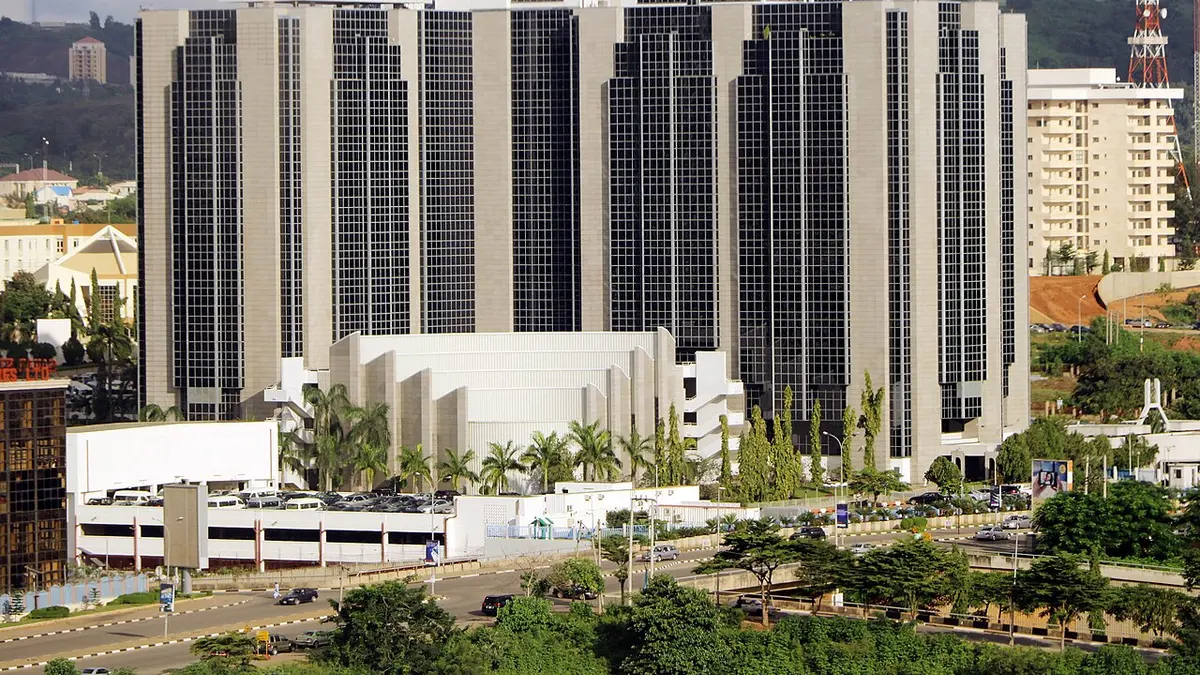
The Association of Bureaux De Change Operators of Nigeria (ABCON) has issued a formal warning to the Central Bank of Nigeria (CBN), stating that ongoing regulatory reforms pose a significant threat to the survival of licensed currency dealers. In a statement released on Monday, 10 November 2026, the association cautioned that if the BDC sub-sector is weakened by these changes, Nigeria risks losing a critical retail distribution channel for foreign exchange. ABCON President Dr Aminu Gwadabe emphasised that the industry’s current challenges require urgent attention to ensure its long-term sustainability within the national financial system.
Gwadabe clarified that the association fully supports the CBN's broader objectives to strengthen regulation, improve market transparency, and stabilise the foreign exchange environment. However, he argued that these regulatory goals should not be achieved by progressively excluding legitimate operators from the market. The BDC industry, according to the association, represents a vital layer of private investment, employment generation, and entrepreneurial activity. It specifically serves customers whose currency needs are not adequately met by conventional banking channels, including travellers, small businesses, and individuals. Gwadabe stressed that a functional BDC sector complements the banking system rather than competing with it, and that regulatory measures should strengthen, not marginalise, compliant dealers.
Background
The concerns raised by ABCON centre on specific regulatory hurdles introduced or exacerbated by the CBN's reform programme. The association identified five priority areas where it believes the central bank must intervene to prevent the collapse of the retail forex market. The most pressing issue cited is the significant backlog of pending licence applications. ABCON has called on the CBN to clear this backlog and establish transparent, predictable timelines for processing new and existing applications, noting that uncertainty in licensing stifles business operations.
A second major challenge is the difficulty operators face in meeting new recapitalisation and compliance requirements. The association has requested that the CBN provide workable solutions to help dealers adjust to these heightened capital standards without forcing them out of business. Additionally, licensed BDC operators have reported being unable to effectively access the Nigerian Foreign Exchange Market (NFEM). ABCON has demanded that the CBN ensure these operators have effective and practical access to this channel, which is essential for their operational viability.
Beyond these operational issues, the association has called for a more structured relationship with the regulator. This includes establishing regular dialogue mechanisms between the CBN and industry representatives to facilitate communication. Furthermore, ABCON has requested the creation of a formal, structured dispute-resolution process to handle grievances, ensuring that the regulatory environment remains sustainable and protective of legitimate investments.
Why it matters
The potential decline of the BDC industry has direct implications for the accessibility of foreign currency in Nigeria. If legitimate currency dealers are pushed out of the market, travellers, small enterprises, and individual citizens will face fewer options for obtaining foreign exchange. This could lead to increased reliance on informal channels or heightened pressure on the banking sector, potentially destabilising the very stability the CBN seeks to achieve. Gwadabe noted that the survival of the BDC sub-sector is an important component of the overall success of the foreign exchange reforms. He warned that Nigeria requires a stronger, more robust BDC industry rather than one that disappears under the weight of regulatory burdens. The association maintains that its commitment to professionalism and compliance aligns with the CBN’s goals, but that this alignment is only possible if the industry is allowed to remain commercially viable.
What happens next
ABCON has formally submitted these demands to the CBN, expecting action on the five identified problem areas. The association remains committed to regulatory compliance and the broader reform agenda but insists that the CBN must address the licensing delays, recapitalisation hurdles, and market access issues immediately. The outcome of this engagement will determine whether the BDC sector can continue to function as a reliable retail forex provider or if it faces a significant contraction in the coming months.
Sources
Spotted an error? · Corrections policy
Related stories
Nigerians spend N14.78 trillion on foreign education in six years, CBN data shows
Nigerian families have spent N14.78 trillion on overseas education between 2020 and mid-2025, with first-half 2026 costs reaching N1.92 trillion, according to Central Bank of Nigeria data.
LAS News Desk · 21 Nov 2026, 06:17 WAT · 1 source

Senate cautions petroleum regulators not to impede President Tinubu's oil reforms
During a Senate committee screening on 12 November 2026, Chairman Abdulrahman Sumaila warned Nigeria’s oil regulators against administrative sabotage, inefficiency and lack of transparency that could undermine President Bola Tinubu’s petroleum reforms.
LAS News Desk · 12 Nov 2026, 16:18 WAT · 2 sources
Naira slides to around ₦1,350 per dollar on official market as parallel rate hits ₦1,400
On November 5, the Central Bank of Nigeria reported the naira weakening to roughly ₦1,350 per US dollar on the official NFEM, while the black‑market rate was about ₦1,400, highlighting ongoing pressure on the currency.
LAS News Desk · 6 Nov 2026, 07:15 WAT · 2 sources

Naira holds steady against dollar in Nigerian forex market
The Nigerian Naira maintained stable trading conditions against the US dollar on Thursday, with official rates near N1,346 and parallel market premiums remaining narrow.
LAS News Desk · 29 Oct 2026, 07:45 WAT · 1 source

Naira holds steady near N1,340 as dollar demand persists in Nigerian FX market
The naira opened trading at approximately N1,339.93 against the US dollar on October 27, 2026, while parallel market rates remained higher, reflecting continued pressure from importers and domestic businesses.
LAS News Desk · 27 Oct 2026, 08:15 WAT · 1 source
Naira falls to N1,367.61 per dollar as currency extends decline
The Nigerian Naira weakened further against the US dollar on Monday, dropping to N1,367.61 at the official rate despite a recent increase in the country's external reserves.
LAS News Desk · 27 Oct 2026, 00:00 WAT · 1 source
More Africa/Nigeria news ›
- Senate schedules on‑site visit to Ogun communities to probe army land dispute
- President Tinubu praises Dr Musa Aliyu’s election as chair of African Asset Recovery Forum
- Atiku’s media adviser challenges Defence Ministry’s use of official social media to promote Tinubu rally
- South African golfer and Kenyan chef detained at Lagos airport over 50kg cannabis shipment
- Tinubu Reaffirms Commitment to Uninterrupted Academic Calendars at FUTA Convocation