
Tinubu seeks National Assembly approval for $20.5bn, €1.04bn in new foreign loans
President Bola Tinubu has requested approval for $20.52 billion and €1.04 billion in external borrowing less than 100 days before Nigeria's 2027 election, following previous large-scale debt approvals.
By LAS News Desk · Published 28 Oct 2026, 06:17 WAT
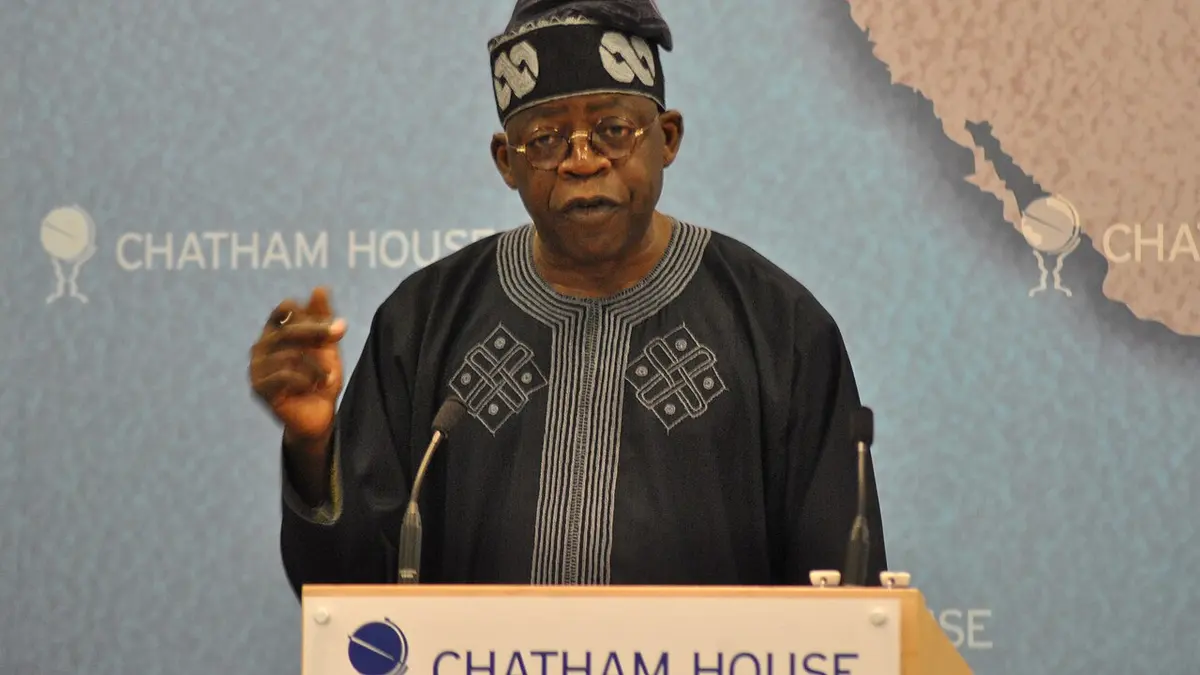
President Bola Tinubu has formally requested the National Assembly to approve a new external borrowing plan totalling $20.52 billion and €1.04 billion. The request, intended to fund projects and programmes across various sectors, was submitted less than 100 days before Nigeria’s scheduled general election on January 16, 2027. The proposal was conveyed to lawmakers through a letter read by Senate President Godswill Akpabio during a plenary session on Tuesday.
This latest borrowing initiative arrives at a time of heightened scrutiny regarding the country’s fiscal position. The administration has already secured approval for significant external financing earlier in the year, leading to renewed debate about the growing debt obligations and the potential financial burden on future governments and taxpayers. The timing of the request, so close to the presidential poll, places the administration’s economic decisions under intense political and public examination as campaigns intensify.
Background
The current borrowing request follows a series of previous approvals granted to the Tinubu administration. In March 2026, the National Assembly approved two external financing facilities totalling $6 billion. The measures comprised a $5 billion funding initiative from First Abu Dhabi Bank in the United Arab Emirates, designed to aid budget execution, finance key infrastructure projects, and refinance expensive internal and external liabilities. Furthermore, a $1 billion export credit line supported by the United Kingdom and facilitated by Citibank received approval to restore the Lagos Port Complex and Tin Can Island Port.
Prior to these, in July 2025, the Senate approved a substantial external borrowing plan exceeding $21 billion for the 2025 and 2026 fiscal years. This bundle contained roughly $21.19 billion in direct foreign lending, €4 billion, ¥15 billion, a $65 million grant, plus extra internal debt raised through state-issued bonds. The funds were designated for infrastructure, agriculture, healthcare, education, security, housing, railway projects, power generation, and digital connectivity. The Senate approved these requests following reports from its Committee on Local and Foreign Debts.
During the deliberations in July 2025, concerns were raised regarding transparency and repayment mechanisms. Senator Abdul Ningi questioned whether the documentation provided adequately explained how the loans would be serviced and called for a detailed breakdown of the borrowing. In contrast, Senate leadership and supportive lawmakers argued that the facilities were essential for financing critical infrastructure and ensuring the successful implementation of the national budget.
Why it matters
The scale of the new borrowing request highlights the ongoing tension between the government’s need for capital to drive development and the risks associated with accumulating large external debts. As fewer than 100 days separate the current moment from the vote, the plan has heightened public discourse regarding the effects of the government's economic changes, such as ending fuel subsidies and altering currency exchange rules. Although the government has defended these measures as necessary to stabilise public finances, critics remain concerned about the long-term sustainability of the debt load. The proximity to the election means that fiscal decisions are now closely linked to political narratives, with opposition and civil society likely to scrutinise the terms and destinations of the new loans.
What happens next
The National Assembly is expected to deliberate on the new borrowing request. Lawmakers will likely review the specific terms, intended uses of the funds, and repayment structures before voting on the approval. The outcome of this process will determine whether the administration can access the additional $20.52 billion and €1.04 billion to finance its planned projects in the final stretch of the current term.
Sources
Spotted an error? Report a correction · Corrections policy
Related stories
Senator Umeh questions destination of previous federal loan funds amid new borrowing request
Senator Victor Umeh has challenged President Bola Tinubu's request for $20.5 billion in new external loans, asking where previously approved funds went given that three budgets remain unfunded.
LAS News Desk · 28 Oct 2026, 04:16 WAT · 2 sources
Atiku Abubakar urges Nigeria’s Assembly to halt Tinubu’s $20.52bn loan request
Former Vice‑President Atiku Abubakar has called on the National Assembly to suspend approval of President Bola Tinubu’s supplementary external borrowing plan, demanding a full project breakdown before any funds are released.
Photo: Chatham House / Wikimedia Commons · CC BY 2.0
LAS News Desk · 28 Oct 2026, 00:15 WAT · 9 sources
Tinubu blames opposition for Nigeria's hunger and poverty as Atiku calls claim delusional
President Bola Tinubu accused opposition parties of causing hunger and poverty at an APC rally in Kaduna, while former Vice President Atiku Abubakar denounced the remark as delusional and defended the government's record ahead of the 2027 election.
Photo: Chatham House / Wikimedia Commons · CC BY 2.0
LAS News Desk · 25 Oct 2026, 00:45 WAT · 9 sources
Former Osun lawmaker urges support for President Tinubu amid Nigeria's economic hardship
Olatunbosun Oyintiloye, a former Osun State legislator and APC chieftain, called on Nigerians and opposition politicians to back President Bola Tinubu instead of criticising his handling of the economy, citing recent reforms and the upcoming 2027 election.
LAS News Desk · 25 Oct 2026, 13:15 WAT · 2 sources
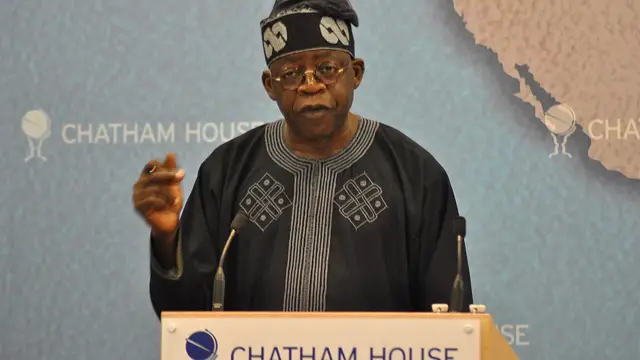
President Tinubu Rejects Fuel Subsidy Reinstatement, Citing Economic Risks
President Bola Tinubu reiterated his refusal to restore Nigeria’s petrol subsidy, arguing that doing so would damage the economy and raise fuel prices, while Finance Minister Taiwo Oyedele warned of capital flight and a weaker naira.
Photo: Chatham House / Wikimedia Commons · CC BY 2.0
LAS News Desk · 20 Oct 2026, 06:15 WAT · 2 sources
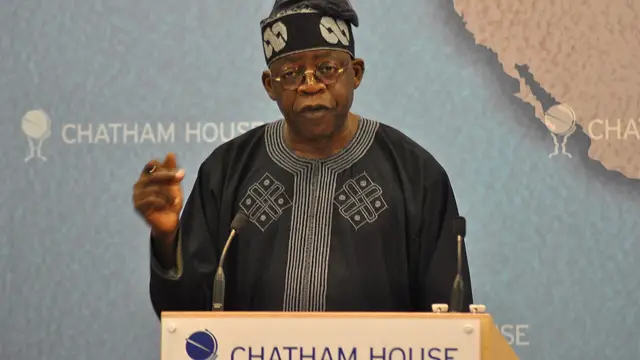
Tinubu vows no return to fuel subsidy amid opposition criticism
President Bola Tinubu reaffirmed that Nigeria will not reinstate the fuel subsidy, comparing the decision to the biblical Exodus, while opposition parties accuse the administration of covertly subsidising fuel and warn of economic hardship.
Photo: Chatham House / Wikimedia Commons · CC BY 2.0
LAS News Desk · 20 Oct 2026, 00:45 WAT · 3 sources
More Africa/Nigeria news ›
- Five siblings killed in Gombe water tanker and school tricycle collision
- President Tinubu proposes amendment to enable transfer of Nigerians convicted abroad to serve sentences at home
- President Tinubu’s administration urges private sector to draft funding and implementation plan for Nigeria’s state police
- Dangote Refinery IPO draws applications from 120 nations, achieving full African participation
- TotalEnergies completes $800m sale of 10% stake in Nigeria’s Renaissance licences