
Nigerian Senate Sends State Police Constitutional Amendment to President Tinubu for Assent
On 18 November 2026, the Senate directed the National Assembly clerk to forward the Sixth Alteration Bill, amending the 1999 Constitution to create state police, to President Bola Tinubu for signature, after securing the required two‑thirds majority in both chambers and all 36 state assemblies.
By LAS News Desk · Published 16 Nov 2026, 08:13 WAT · Updated 18 Nov 2026, 15:45 WAT
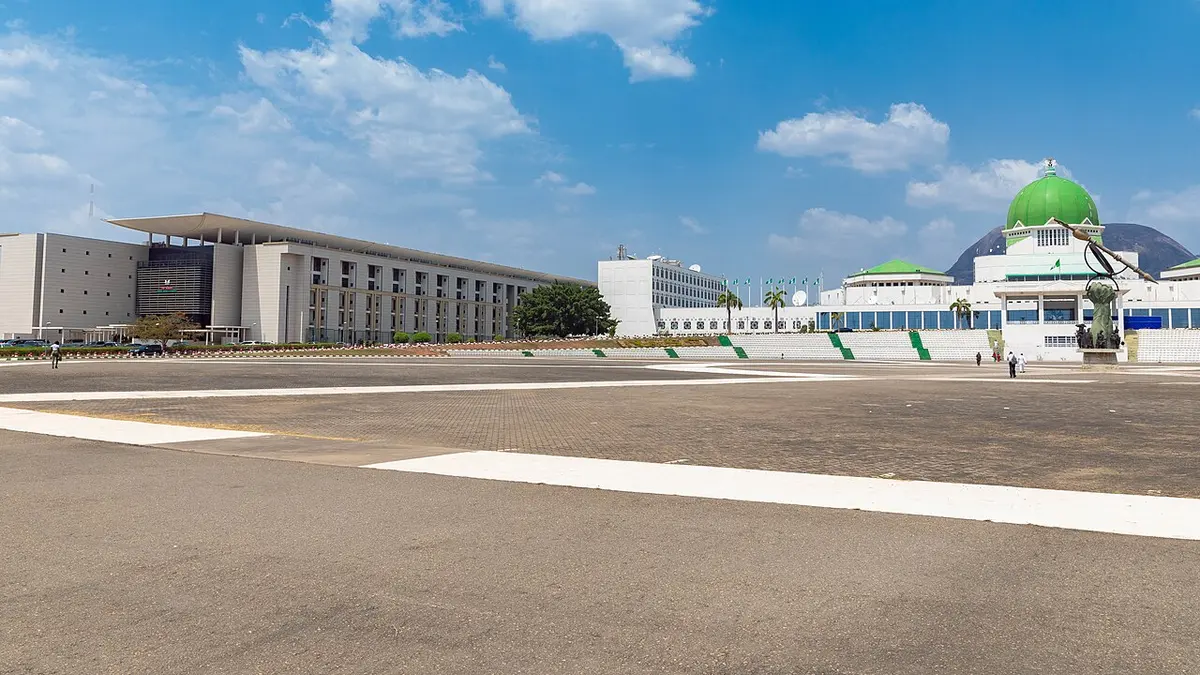
On 18 November 2026, the Nigerian Senate voted to send the 2026 Sixth Amendment Bill to the Constitution of the Federal Republic of Nigeria to President Bola Tinubu for his approval. The resolution instructed the Clerk of the National Assembly, Kamoru Ogunlana, to forward the amendment that would create State Police Services across the federation. In the same motion, the Senate urged the President to send the separate National Policing Bill to the National Assembly for rapid legislative scrutiny and passage, aiming to establish the operational framework for sub‑national policing.
The amendment process reached its final stage after the Senate and the House of Representatives each passed the bill with a two‑thirds majority – the Senate on 24 June 2026 and the House on 23 July 2026. Following parliamentary approval, the bill was sent to the 36 State Houses of Assembly for ratification, as required by Section 9(2) of the 1999 Constitution. All 36 states subsequently endorsed the amendment, satisfying the constitutional requirement of at least two‑thirds approval from the state assemblies.
Background
The push for state police has been a long‑standing policy discussion in Nigeria, framed as a means to complement the Federal Police and improve security at the sub‑national level. The amendment seeks to alter the 1999 Constitution to provide a legal basis for each state to establish its own police service while remaining part of the national policing structure. The Senate Leader, Senator Opeyemi Bamidele of Ekiti Central, sponsored the motion that led to the Senate’s resolution, recalling that the National Assembly had previously processed an executive bill to amend the Constitution for this purpose. Both chambers had previously achieved the constitutionally required two‑thirds majority, and the subsequent transmission to the state assemblies fulfilled the final constitutional step.
The legislative document, officially named to establish state police services and address related issues under the 1999 framework, was tabled in the Senate together with a motion seeking the enactment of this specific 2026 amendment. Senate President Godswill Akpabio highlighted the urgency of the process, noting that the executive should submit implementation modalities without imposing unnecessary timelines.
Why it matters
The amendment, if assented to by President Tinubu, would create a constitutional framework for state‑level policing, potentially reshaping Nigeria’s security architecture. Proponents argue that state police could address local security challenges more effectively than the centralized Federal Police. The Senate’s urging of the President to also forward the National Policing Bill underscores the need for an operational guideline that delineates the relationship between state and federal forces.
All 36 State Houses of Assembly have approved the amendment, a development reported as achieving “100 percent” approval, surpassing the two‑thirds majority required under Section 9 of the Constitution. This broad consensus suggests strong legislative support across the federation, although the sources do not detail public or civil‑society reactions.
What happens next
The Clerk of the National Assembly is now tasked with delivering the amendment to President Bola Tinubu for his signature, as mandated by the Acts Authentication Act, 2004. The President is expected to consider the bill promptly, given the Senate’s emphasis on urgency. At the same time, the upper house urged the executive branch to submit the National Policing Bill to the National Assembly for swift approval, signaling that these two legal frameworks are meant to be advanced together.
If President Tinubu assents to the amendment, the next step will involve drafting and enacting the modalities for establishing state police services, a process the Senate expects the executive to initiate without delay. The timeline for the National Policing Bill’s legislative scrutiny remains unspecified, but the Senate’s resolution signals an intention to move swiftly.
The Senate’s actions represent the culmination of a multi‑year constitutional amendment process, marking a significant legislative milestone in Nigeria’s ongoing security reforms.
Sources
- Nigeria: State Police - Four States Yet to Transmit Resolutions to NASS - Senate Leader — AllAfrica
- State Police: Four states yet to transmit resolutions to NASS – Senate Leader — Premium Times
- State police: Senate completes amendment process, seeks Tinubu’s assent — Punch
- Senate forwards State Police Bill to Tinubu for assent — Vanguard
- JUST IN: Senate directs Clerk to forward State Police bill for Tinubu’s assent — Tribune
- State Police: Senate Directs NASS Clerk To Transmit Amendment Bill To Tinubu For Assent — Channels TV
- State Police Bill forwarded by Senate to Tinubu for assent — Sun News
Spotted an error? · Corrections policy
Related stories
Senate sets 15 November deadline for six states to approve State Police bill
The Senate has given Kano, Abia, Cross River, Niger, Oyo and Benue a deadline of 15 November to communicate their positions on the proposed State Police constitutional amendment, after 30 states have already approved it.
LAS News Desk · 4 Nov 2026, 18:16 WAT · 2 sources

Five Nigerian state assemblies endorse constitutional amendment for state police
Five Nigerian state legislatures have endorsed the constitutional amendment to establish state police forces, citing security challenges and police manpower shortages.
LAS News Desk · 28 Oct 2026, 21:45 WAT · 5 sources
President Tinubu proposes amendment to enable transfer of Nigerians convicted abroad to serve sentences at home
President Bola Tinubu has sent a bill to the Senate to amend the 2004 Transfer of Convicted Offenders Act, aiming to allow Nigeria to sign bilateral prisoner‑transfer agreements with foreign states, including non‑Commonwealth countries.
Photo: Chatham House / Wikimedia Commons · CC BY 2.0
LAS News Desk · 28 Oct 2026, 06:16 WAT · 3 sources
President Tinubu pushes bill to replace ASCON with new National School of Government
Bola Tinubu has asked the Nigerian Senate to approve a bill that would repeal the Administrative Staff College of Nigeria Act and establish a National School of Government, aiming to strengthen leadership development and policy delivery.
Photo: Chatham House / Wikimedia Commons · CC BY 2.0
LAS News Desk · 14 Oct 2026, 16:16 WAT · 2 sources
Senate Sends State Police Bill to President, Calls for Operational Guidelines
Nigeria’s Senate has forwarded the Constitution (Sixth Alteration) Bill, 2026, establishing State Police Services, to President Bola Tinubu, while urging the creation of operational rules to prevent abuse. The move follows approvals by both Houses of Assembly and all state legislatures.
LAS News Desk · 19 Nov 2026, 11:43 WAT · 1 source

Senate Halts Bills for New Federal Universities, Polytechnics and Colleges of Education
The Nigerian Senate has suspended all pending bills to create new federal tertiary institutions, following a directive from President Bola Tinubu. The move aims to focus on strengthening existing universities before new ones are established.
LAS News Desk · 4 Nov 2026, 18:46 WAT · 1 source
More Africa/Nigeria news ›
- Senate schedules on‑site visit to Ogun communities to probe army land dispute
- President Tinubu praises Dr Musa Aliyu’s election as chair of African Asset Recovery Forum
- Atiku’s media adviser challenges Defence Ministry’s use of official social media to promote Tinubu rally
- South African golfer and Kenyan chef detained at Lagos airport over 50kg cannabis shipment
- Tinubu Reaffirms Commitment to Uninterrupted Academic Calendars at FUTA Convocation