
Qatar and Turkey sign mutual defence pact amid regional security shifts
Turkey and Qatar have signed a landmark mutual defence agreement in Istanbul, aiming to present a unified position against external armed attacks as regional security dynamics change.
By LAS News Desk · Published 14 Nov 2026, 18:21 WAT
Turkey and Qatar have formalised a significant step in their strategic partnership by signing a mutual defence agreement in Istanbul. The accord was reached on Friday, 14 November 2026, following a meeting between Turkish President Recep Tayyip Erdogan and Qatari Emir Sheikh Tamim bin Hamad Al Thani. The two leaders co-chaired the Supreme Strategic Committee between the two nations, a body that oversaw the conclusion of a broad range of bilateral agreements. The primary objective of the new treaty is to strengthen deterrence capabilities and ensure regional stability in the Gulf and Middle East.
According to a joint statement issued by both governments, the agreement is designed to bolster collective defence mechanisms. Both nations are formally bound to present a joint stance should any outside military aggression be directed at one or both of them. The leaders agreed to hold consultations regarding threats to their national security, signalling a move towards deeper military and diplomatic coordination. This development marks a notable shift in the multilateral security landscape of the region, which is undergoing rapid restructuring.
Background
The signing of this agreement occurs against a backdrop of heightened geopolitical tension in the Middle East. According to Euronews, the current security environment has been significantly altered by the ongoing conflict involving Iran. Furthermore, indications from Washington suggest that the country is modifying its enduring security footprint in the area. These factors have triggered a fast-moving reshaping of multilateral security arrangements among Gulf and Middle Eastern states. In this context, Turkey and Qatar are seeking to solidify their strategic alignment to address emerging challenges. The Supreme Strategic Committee, which facilitated these talks, serves as the high-level forum for managing bilateral relations between Ankara and Doha. The agreements concluded during the Friday meeting cover a wide spectrum of bilateral interests, with the mutual defence pact being the most prominent security-related outcome.
Why it matters
This development is significant for the broader security architecture of the Gulf and Middle East. By committing to a unified response to external armed attacks, Qatar and Turkey are establishing a clearer framework for collective defence. This move is intended to enhance deterrence in a region where security dynamics are in flux due to the Iran war and shifting US policies. The agreement affects the strategic calculations of other regional actors by demonstrating a consolidated front between a major NATO member and a key Gulf state. It underscores the growing importance of bilateral and regional security partnerships as traditional security guarantees evolve. The joint statement highlights the aim of achieving regional security and stability, suggesting that both nations view their partnership as a stabilising force in an otherwise volatile environment. The inclusion of consultation mechanisms for threats further indicates a proactive approach to managing potential escalations.
What happens next
The sources do not specify immediate operational steps or future dates for joint military exercises following the signing. However, the agreement mandates that the two parties hold consultations on threats to their security. This implies an ongoing diplomatic and military dialogue to monitor the regional situation. The implementation of the broader range of bilateral agreements concluded alongside the defence pact will also proceed, though specific timelines for these additional measures were not detailed in the available reporting. The focus remains on the operationalisation of the mutual defence commitment to ensure a coordinated response to any future external aggression.
Sources
Spotted an error? · Corrections policy
Related stories
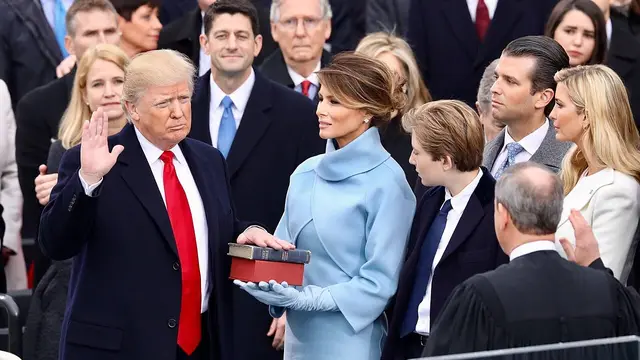
Trump to hold closed‑door talks with Qatar’s prime minister and vice‑president Vance at the White House
US President Donald Trump is set to hold closed-door talks with Qatari Prime Minister Sheikh Mohammed bin Abdulrahman Al Thani on Monday, as diplomatic efforts to end the conflict with Iran face significant obstacles.
Photo: The White House / Wikimedia Commons · Public domain
LAS News Desk · 14 Nov 2026, 15:45 WAT · 3 sources
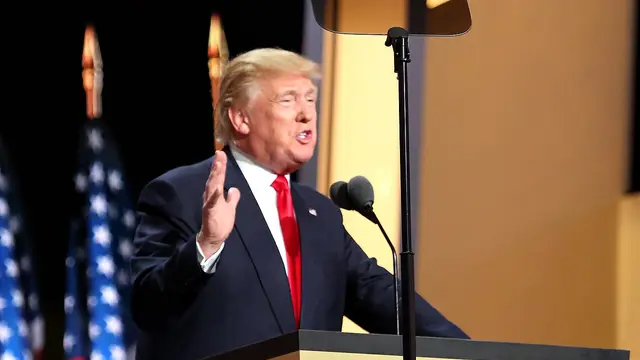
Trump says US ready to resume strikes on Iran while Qatar and Saudi Arabia favour diplomacy
President Donald Trump told Reuters on 9 November that Qatar and Saudi Arabia prefer a peaceful resolution to the Iran conflict, but the United States remains prepared to restart military strikes if required.
Photo: Ali Shaker/VOA / Wikimedia Commons · Public domain
LAS News Desk · 9 Nov 2026, 22:39 WAT · 3 sources
US Treasury sanctions Indian and Turkish firms for aiding Iran
The Treasury imposed new sanctions on November 4 against Indian nationals Suniel Kumar Sharma, his wife Jaspreet Preeti Shahid, two other Indian citizens and nine related entities, as well as Turkey‑based Fugo Ground Services Inc. The move is part of the Trump administration’s Operation Economic Outcast aimed at curbing Iran’s oil sales.
LAS News Desk · 4 Nov 2026, 21:45 WAT · 4 sources
Saudi, Turkish and Pakistani delegations meet Iran in Tehran to curb Middle East fighting
Senior officials from the Mecca defence pact travelled to Tehran on 27 October 2026, seeking to de‑escalate the eight‑month war after fresh Houthi attacks on Saudi Arabia and Egypt’s approval of defence aid for Riyadh.
LAS News Desk · 27 Oct 2026, 11:15 WAT · 10 sources
Explosion at HABAS steel plant in Aliaga kills 16, injures 13
A blast at the HABAS iron and steel factory in Aliaga, north of Izmir, killed 16 workers and wounded 13, including two seriously. The incident occurred when a ceiling crane fell into an arc furnace during liquid steel casting, prompting investigations by President Erdogan.
LAS News Desk · 9 Nov 2026, 21:40 WAT · 5 sources
Ancient Mediterranean Vessel Unearthed Off Turkey’s Coast
Archaeologists have uncovered a 4,400‑to‑4,700‑year‑old trade ship near Kekova Island, the world’s oldest known wreck. The 10‑metre vessel carried amphorae and stone anchors, some of which still hold traces of olive oil or wine.
LAS News Desk · 15 Oct 2026, 14:45 WAT · 4 sources
More World news ›
- Iran attacks trigger fire at Bahrain industrial site and strike US bases as tankers hit in Hormuz
- Three dead and 36 missing after fire engulfs confectionery factory near Jakarta
- US Central Command refutes Iranian claim of missile strike on F-16 in Gulf
- Israeli strike on Gaza vehicle distributing food kills three, civil defence says four dead overall
- South Korean education minister resigns after AI‑assisted cheating scandal erupts ahead of university entrance exam