
Pat Utomi decries ongoing power outages as Nigerians still chant “UP NEPA” 66 years after independence
Political economist Pat Utomi criticised Nigeria’s chronic electricity failures, noting protests at Ikeja Electric and complaints from EKEDC‑served communities, and questioned the role of elected officials.
By LAS News Desk · Published 19 Nov 2026, 16:43 WAT
Political economist and public affairs commentator Prof. Pat Utomi used his X account on Thursday, 19 November 2026, to lament Nigeria’s enduring electricity crisis. He pointed out that, six decades after independence from Britain, many Nigerians still celebrate the restoration of power with the phrase “UP NEPA”, a holdover from the defunct National Electric Power Authority. Utomi characterized the chant as a distressing sign that the nation had experienced a severe failure.
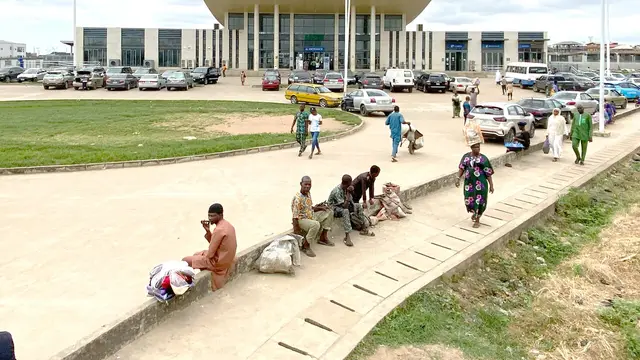
The comments followed a video that showed residents gathering outside an Ikeja Electric office to protest unreliable supply. Utomi said the footage illustrated the frustration of ordinary citizens who must abandon daily activities, leave homes and businesses, and organise protests simply to demand reliable electricity.
Utomi also highlighted complaints from customers of the Eko Electricity Distribution Company (EKEDC) in Lagos State, specifically in the Sangotedo, Ajah, Ibeju‑Lekki and Epe corridors. He noted that residents in these areas have repeatedly expressed dissatisfaction with frequent outages and poor service quality.
Background
Nigeria gained independence from Britain on 1 October 1960, marking 66 years of self‑governance at the time of Utomi’s remarks. The phrase “UP NEPA” originates from the former National Electric Power Authority (NEPA), which was dissolved in 2005 and replaced by a series of private and public distribution companies, including Ikeja Electric and EKEDC. Despite the restructuring, many Nigerians continue to experience intermittent supply, prompting the cultural persistence of the chant whenever power returns.
Utomi, a professor of political economy and a frequent commentator on public affairs, has previously written on governance and infrastructure challenges in Nigeria. His latest post referenced a specific incident where protesters gathered at an Ikeja Electric office, a company responsible for electricity distribution in parts of Lagos. The protest reflects broader public discontent with the performance of distribution companies and the perceived lack of accountability among elected officials.
Why it matters
The electricity shortage directly affects households, small businesses and larger enterprises that rely on stable power for daily operations. Residents in the cited Lagos districts—Sangotedo, Ajah, Ibeju‑Lekki and the Epe axis—have reported repeated disruptions, which can impede economic activity, education and health services. Utomi’s criticism underscores the political dimension of the crisis, questioning where elected representatives from these constituencies are in addressing basic service delivery.
By drawing attention to the protests at Ikeja Electric, Utomi highlights the growing public willingness to mobilise over service failures. The repeated use of “UP NEPA” signals a collective memory of past inadequacies and a continued expectation that power restoration should be a routine, not a cause for celebration. The issue also resonates nationally, as reliable electricity is a key factor in Nigeria’s economic development and its ability to attract investment.
What happens next
Utomi’s post did not specify concrete policy proposals, but he called on politicians to take responsibility for ensuring constituents’ basic needs are met. The statements came amid ongoing public debate about reforms in the power sector, including discussions on improving distribution efficiency and enhancing regulatory oversight. No immediate legislative or executive actions were announced in the sources, leaving the next steps dependent on political response to the highlighted protests and community complaints.
The reaction from the public and political figures remains to be documented. However, Utomi’s remarks add to a growing chorus of criticism that may pressure lawmakers and regulators to address the systemic issues underlying Nigeria’s electricity challenges.
Sources
Spotted an error? · Corrections policy
Related stories
Atiku adviser challenges Fashola over Tinubu’s electricity pledge as campaign dynamics shift in the North
Paul Ibe, media adviser to ADC presidential candidate Atiku Abubakar, criticised former Lagos governor Babatunde Fashola’s defence of President Bola Tinubu’s electricity promise, while senior ADC aide Demola Olarewaju warned that Tinubu’s 2027 bid depends on northern support.
Photo: FrankvEck / Wikimedia Commons · CC BY-SA 4.0
LAS News Desk · 19 Nov 2026, 13:13 WAT · 9 sources
Pat Utomi warns election rigging could spark civil conflict in Nigeria
Political economist Pat Utomi has warned that attempts to manipulate Nigeria's 2027 elections could lead to civil war, citing strong public resolve against electoral malpractice observed during a meeting in Manchester.
LAS News Desk · 31 Oct 2026, 23:45 WAT · 2 sources
President Tinubu pledges better electricity supply at APC rally in Ibadan
At a campaign rally in Ibadan, President Bola Tinutu promised Nigerians a more reliable power supply, citing the work of Minister Joseph Olasunkanmi Tegbe and new industrial projects in Oyo State.
Photo: Chatham House / Wikimedia Commons · CC BY 2.0
LAS News Desk · 21 Nov 2026, 16:15 WAT · 2 sources
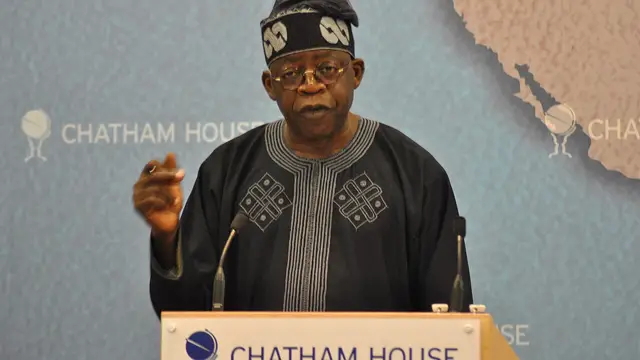
APC Campaign Council Defends Tinubu’s Power‑Sector Record Amid Calls for Scorecard
The All Progressives Congress presidential campaign team said President Bola Tinubu’s promise to end estimated electricity billing should be judged alongside his administration’s actions, citing the Electricity Act, metering initiative and debt‑settlement bond as evidence of progress.
Photo: Chatham House / Wikimedia Commons · CC BY 2.0
LAS News Desk · 2 Nov 2026, 08:47 WAT · 5 sources
2027 Nigerian Election: Candidates Promise Power, Jobs and Health Amid Past Unfulfilled Promises
Ahead of the 2027 elections, Nigerian candidates pledge electricity, employment and healthcare, echoing earlier unmet commitments. Analysts warn voters to scrutinise past performance rather than rhetoric.
LAS News Desk · 27 Oct 2026, 05:45 WAT · 1 source
Nigeria’s Power Minister dismisses tariff hike rumours amid new Ibadan mini‑grid rollout
Minister Joseph Tegbe affirmed that the federal government has no plan to raise electricity tariffs, announcing the launch of five World Bank‑backed mini‑grid projects totalling 17.7 MW in Ibadan, aimed at expanding local power access.
LAS News Desk · 15 Oct 2026, 21:45 WAT · 2 sources
More Africa/Nigeria news ›
- Senate schedules on‑site visit to Ogun communities to probe army land dispute
- President Tinubu praises Dr Musa Aliyu’s election as chair of African Asset Recovery Forum
- Atiku’s media adviser challenges Defence Ministry’s use of official social media to promote Tinubu rally
- South African golfer and Kenyan chef detained at Lagos airport over 50kg cannabis shipment
- Tinubu Reaffirms Commitment to Uninterrupted Academic Calendars at FUTA Convocation