
2027 Nigerian Election: Candidates Promise Power, Jobs and Health Amid Past Unfulfilled Promises
Ahead of the 2027 elections, Nigerian candidates pledge electricity, employment and healthcare, echoing earlier unmet commitments. Analysts warn voters to scrutinise past performance rather than rhetoric.
By LAS News Desk · Published 27 Oct 2026, 05:45 WAT
2027 Campaign Promises Echo Past Commitments
The 2027 Nigerian election campaign is gaining pace, with candidates across the political spectrum announcing plans to deliver security, jobs, reliable electricity, affordable food, improved schools and hospitals. These pledges mirror those made in previous election cycles, yet many voters recall that earlier promises often failed to materialise.
The rhetoric is clear: the nation’s problems are presented as new, and solutions as immediate. However, the reality of past administrations shows a pattern of ambitious targets that were either postponed or abandoned. The 2003 Obasanjo administration set a goal of 10,000 megawatts of electricity generation, while the 2015 Buhari campaign aimed to raise capacity to 40,000 megawatts within four to eight years. Subsequent interventions did not translate into dependable power for most Nigerians.
Employment and economic diversification have followed a similar trajectory. Governments have repeatedly promoted entrepreneurship and job creation, yet many citizens continue to experience insecure livelihoods. Anti‑corruption declarations have surfaced in every campaign, yet allegations of misconduct and controversies over public procurement persist.
Background
Since the return of civilian rule in 1999, Nigeria has undertaken a series of policy experiments, democratic transfers and reforms. These efforts have yielded some achievements but have also highlighted persistent failures in essential services and accountability. The electoral process in Nigeria is largely a mechanism for changing governments, not for altering economic laws or institutions. Consequently, campaign promises often outpace the capacity of administrations to deliver.
The electricity sector illustrates the gap between announcement and outcome. The 2003 target of 10,000 megawatts was set by the Obasanjo administration, while the 2015 Buhari campaign promised a jump to 40,000 megawatts within a short timeframe. Despite multiple interventions, reliable power remained elusive, and repeated deadlines without clear explanations eroded public trust.
Governments have also struggled with employment. While entrepreneurship and job creation have been promoted, many Nigerians face insecure livelihoods. Anti‑corruption slogans have been repeated, yet allegations of misconduct and controversies over public procurement continue to surface.
Why it matters
The promises made by candidates are not merely rhetorical; they have tangible implications for millions of Nigerians. Reliable electricity is essential for businesses, schools and hospitals. Job creation directly affects household incomes and poverty levels. Improved healthcare and education are critical for long‑term development.
Voters are urged to examine the evidence behind each pledge. The pattern of unmet commitments suggests that without concrete plans and accountability mechanisms, new administrations may repeat the same cycle of promises and disappointment. The stakes are high: failure to deliver on these promises could exacerbate existing social and economic challenges.
What happens next
The electoral process will continue as scheduled, with the 2027 election date set by the Independent National Electoral Commission. Candidates are expected to refine their platforms and provide detailed implementation plans. Voters will need to assess whether these plans address the shortcomings of past administrations.
There is no indication from the sources that any specific next steps have been announced beyond the general call for scrutiny of past performance. The focus remains on the upcoming election and the need for voters to demand evidence of credible delivery.
Sources
- Will Nigerians Believe Empty Electoral Promises? — Leadership
Spotted an error? Report a correction · Corrections policy
Related stories
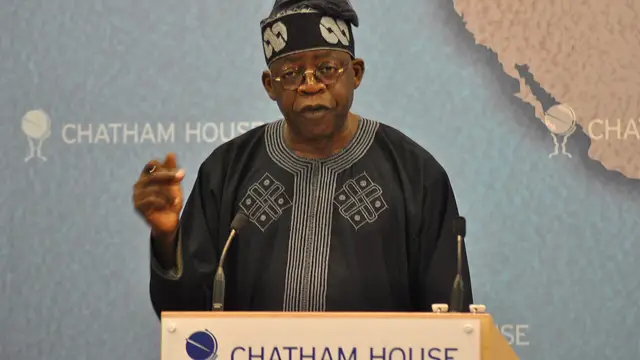
Oyo Governor Makinde criticises Tinubu’s foreign‑reserve narrative, calls for comprehensive reset ahead of 2027 elections
Oyo State Governor Seyi Makinde told President Bola Tinubu that rising foreign‑reserve figures do not alleviate hunger, urging a reset of the economy, security, education and political system as the 2027 elections approach.
Photo: Chatham House / Wikimedia Commons · CC BY 2.0
LAS News Desk · 25 Oct 2026, 03:45 WAT · 6 sources
INEC to review dozens of candidate omission petitions ahead of 2027 elections on Oct 29
The Independent National Electoral Commission will consider a wave of petitions challenging the exclusion of several candidates, including former minister Isa Ali Pantami, at a meeting on 29 October, after the 14‑day filing window closed on Saturday.
LAS News Desk · 26 Oct 2026, 06:44 WAT · 2 sources
Nigeria’s voter register size and turnout questioned ahead of 2027 elections
Analysts argue that the Independent National Electoral Commission’s voter list may be inaccurate, citing low turnout rates and demographic mismatches as the country prepares for its January‑February 2027 general elections.
LAS News Desk · 26 Oct 2026, 01:15 WAT · 3 sources
NDC unveils presidential campaign council amid internal backlash from OK Movement
The Nigeria Democratic Congress announced a new national campaign council for the 2027 election, but the OK (Obi‑Kwankwaso) Movement criticised the list as incomplete and unrepresentative, deepening a rift within the party.
LAS News Desk · 27 Oct 2026, 05:15 WAT · 1 source
Chief Justice warns Nigerian judges to avoid pressure and forum shopping before 2027 elections
Justice Kudirat Kekere‑Ekun urged heads of courts in Abuja to guard against political pressure, forum shopping and conflicting orders ahead of the 2027 general elections, stressing impartiality and timely justice.
LAS News Desk · 27 Oct 2026, 04:15 WAT · 1 source
INEC Chairman Urges Staff to Stay Neutral Ahead of 2027 Elections
Prof. Joash Amupitan, chairman of Nigeria’s Independent National Electoral Commission, warned staff against partisan politics and announced a new salary structure to reduce inducement ahead of the 2027 elections.
LAS News Desk · 20 Oct 2026, 12:16 WAT · 2 sources
More Africa/Nigeria news ›
- UN chief calls for US‑Iran talks, stresses maritime freedom and Gaza aid
- NGX Lists Only 14% of Nigeria’s Commercial Paper Market in 2026
- Atiku aide seeks clarification on seven SUVs displayed by APC youth chief
- Nigeria targets single-digit inflation by 2027 despite rising lending rates
- Nigerian troops arrest man in military uniform for phone snatching in Plateau State