
Omoyele Sowore urges Nigeria to legalise cannabis, citing potential billions in lost revenue
Human rights activist and AAC presidential candidate Omoyele Sowore has called for immediate cannabis legalisation in Nigeria, arguing that criminalisation costs the country up to $2.2 billion a year in potential tax revenue and jobs. He cites Canada, California and Colorado as examples of successful regulated markets.
By LAS News Desk · Published 17 Nov 2026, 10:27 WAT
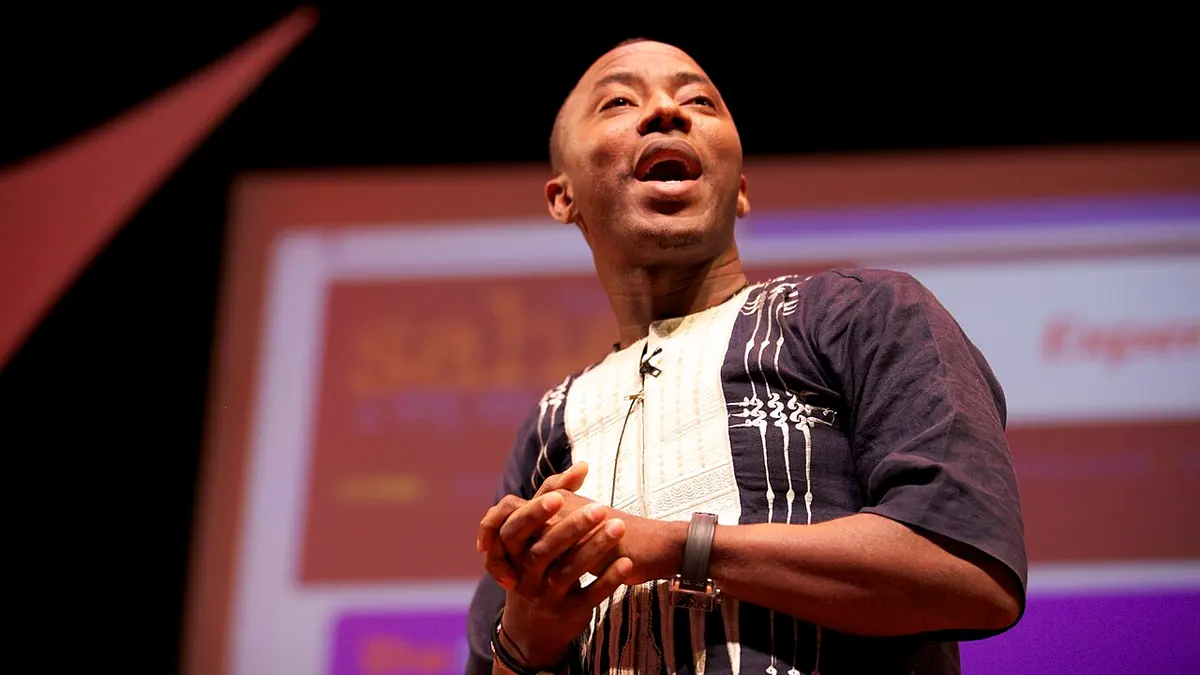
Nigeria’s cannabis debate heats up
On 17 November 2026, Omoyele Sowore, a human‑rights advocate and the presidential nominee for the African Action Congress (AAC), used the X platform to urge Nigeria to permit the use of cannabis. He said the country is losing billions of dollars in potential revenue because it continues to arrest users, destroy farms and prosecute those involved in the trade. Sowore’s message was echoed in a Daily Post article that same day, which highlighted his long‑standing advocacy for legalisation since 2018.
Sowore used data from Canada, California and Colorado to illustrate the economic benefits of a regulated market. He cited Canada’s 2023‑2024 fiscal year revenue of approximately CA$2.2 billion from recreational cannabis, California’s $1.067 billion in 2024 cannabis tax revenue and Colorado’s $255.4 million in marijuana taxes and fees collected in the same year.
He forecasted that an authorized domestic market would yield annual earnings ranging from $550 million to $2.2 billion, a figure that, when converted at an exchange rate of N1,300 per dollar, equates to between N715 billion and N2.86 trillion. He stressed that these figures are hypothetical and would depend on market size, taxation, licensing, exports and regulatory effectiveness.
Background
The debate over cannabis in Nigeria has been ongoing for years. The Nigerian government has maintained strict anti‑drug laws, with authorities routinely arresting individuals, destroying cannabis farms and prosecuting traders. In contrast, several jurisdictions worldwide have moved towards regulated markets. Canada’s federal and provincial governments reported CA$2.2 billion in revenue from recreational cannabis in the fiscal year ending 31 March 2024, a figure that includes excise duties, retail sales taxes, licensing fees and other specific taxes.
California’s tax authority announced $1.067 billion in cannabis tax income for 2024, whereas Colorado’s Department of Revenue logged $255.36 million in marijuana tax and fee collections that year. These examples underpin Sowore’s argument that Nigeria could similarly benefit from a regulated industry.
Sowore has long argued that legalising cannabis would create employment opportunities across agriculture, pharmaceutical manufacturing and industrial hemp production. He also highlighted the potential for scientific research and export earnings that a regulated market could unlock.
Why it matters
The potential revenue figures presented by Sowore are significant for Nigeria’s economy. A regulated cannabis industry could add between $550 million and $2.2 billion to the national budget each year, according to his estimates. In local currency terms, this equates to between N715 billion and N2.86 trillion, a range that could impact fiscal policy, tax collection and public spending.
Beyond revenue, Sowore points to job creation as a key benefit. A legal market would require agricultural workers, processors, distributors, retailers and regulatory staff. The industry could also support pharmaceutical companies that use cannabis derivatives and expand industrial hemp production, potentially opening new export markets.
The call for legalisation also challenges the current punitive approach. By continuing to arrest users and destroy farms, Nigerian authorities are reportedly forfeiting substantial economic opportunities. Sowore’s message urges a shift from criminalisation to regulation, taxation and job creation.
What happens next
Sowore’s post on X and the accompanying Daily Post article call for immediate policy change, but the sources do not detail any specific legislative proposals or timelines. He urges Nigerians to vote out politicians he describes as “backward‑thinking” and to support a policy shift that would legalise, regulate, tax, create jobs and generate revenue. No official government response or legislative agenda is mentioned in the available sources.
The debate remains open, with Sowore’s advocacy adding a new dimension to discussions about drug policy, economic development and public health in Nigeria.
Sources
Spotted an error? · Corrections policy
Related stories
Court dismisses Sowore’s bid to compel DSS lawyer to testify in cyberbullying case
A Federal High Court in Abuja rejected Omoyele Sowore’s request to force DSS counsel Akinlolu Kehinde to appear as a witness in his cyberbullying trial, citing lawyer‑client confidentiality. The judge allowed subpoenas for other witnesses and adjourned the case to 11 November.
Photo: personaldemocracy / Wikimedia Commons · CC BY-SA 2.0
LAS News Desk · 9 Nov 2026, 18:09 WAT · 2 sources
AAC candidate Sowore seeks Aso Rock venue for campaign council inauguration
Omoyele Sowore, the African Action Congress presidential hopeful, has asked President Bola Tinubu to allow his party to use the Presidential Villa for its 2027 Campaign Council launch, arguing that opposition parties should have the same access as the ruling APC.
Photo: Chatham House / Wikimedia Commons · CC BY 2.0
LAS News Desk · 22 Oct 2026, 23:45 WAT · 10 sources
Gombe’s Local Governments Receive Nigeria’s Second‑Lowest Revenue Allocation in Nine Months
From January to September 2026, Gombe State’s 11 local governments were allocated N40.69 billion, the second‑lowest figure nationwide after Bayelsa. The allocation places Gombe at 35th in the national ranking, below states such as Kano and Borno.
LAS News Desk · 24 Oct 2026, 23:45 WAT · 1 source

Nigeria’s drug agency seizes billions in tramadol and intercepts cannabis bound for Saudi Arabia
The National Drug Law Enforcement Agency reported the seizure of over N6.9 billion worth of tramadol at Lagos’ Apapa port and the capture of a cannabis shipment hidden in palm oil at Kano airport, alongside arrests including an 85‑year‑old woman in Edo.
LAS News Desk · 19 Oct 2026, 07:45 WAT · 6 sources
Apapa Customs earns N302bn in October, up 7.13% from September
The Apapa Area Command of Nigeria Customs Service collected N302.95bn in October 2026, a rise of N20.16bn over September, marking a 7.13% month‑on‑month increase and the third time the command surpassed the N300bn threshold.
LAS News Desk · 5 Nov 2026, 15:46 WAT · 2 sources

Nigeria disputes World Bank's half‑year debt‑service ratio, cites data gaps
Nigeria's finance ministry rejected the World Bank's claim that interest payments in the first half of 2026 equaled 124% of federal revenue, arguing the calculation mixes federal and state obligations and omits pending receipts, while noting faster revenue growth than debt costs.
LAS News Desk · 19 Oct 2026, 08:45 WAT · 2 sources
More Africa/Nigeria news ›
- Senate schedules on‑site visit to Ogun communities to probe army land dispute
- President Tinubu praises Dr Musa Aliyu’s election as chair of African Asset Recovery Forum
- Atiku’s media adviser challenges Defence Ministry’s use of official social media to promote Tinubu rally
- South African golfer and Kenyan chef detained at Lagos airport over 50kg cannabis shipment
- Tinubu Reaffirms Commitment to Uninterrupted Academic Calendars at FUTA Convocation