
Kim Jong-un stresses sovereignty as North Korea expands diplomatic ties after Trump’s missed meeting
North Korean leader Kim Jong-un said the country will broaden foreign relations while protecting its sovereignty, speaking at a credential ceremony that included Russia’s ambassador, days after US President Donald Trump failed to meet him in China.
By LAS News Desk · Published 23 Nov 2026, 22:16 WAT
North Korean leader Kim Jong-un addressed a diplomatic ceremony on Thursday, declaring that the Democratic People’s Republic of Korea (DPRK) will seek to broaden its foreign relations while defending its sovereignty. The remarks were made as Kim personally received credentials from newly appointed ambassadors, including Russia’s envoy, a departure from the usual protocol where a senior official handles such ceremonies.
These remarks followed closely on the heels of US President Donald Trump's departure from Asia, where he had failed to hold a meeting with Kim, even though prior signals suggested such a rendezvous might occur during his trip to China for the Asia-Pacific Economic Cooperation (APEC) summit. Trump’s departure followed a landmark summit with Chinese and Russian presidents, after which he returned to the United States on Thursday.
Kim characterized the prevailing global landscape as one marked by an unstable security crisis alongside political and economic turmoil, observing that the international context is fundamentally altering perceptions regarding national sovereignty and security. He affirmed that the DPRK does not pursue supremacy or expansion, emphasizing a diplomatic approach grounded in independence, peace and friendship.
Background
The credential ceremony marked a rare moment in North Korean diplomatic practice, with Kim himself accepting the ambassadors’ credentials rather than delegating the task. According to reports from the Korean Central News Agency (KCNA), state media indicated that Kim emphasized the DPRK's objective to broaden and cultivate international ties based on the ideals of independence, peace, and friendship, while upholding the principle of safeguarding national sovereignty and security.
Relations between the United States and North Korea have been strained since former President Trump’s first‑term summits with Kim, which aimed to curb Pyongyang’s nuclear programme but produced no concrete agreements. Although United Nations sanctions remain in effect, North Korea has persisted with its nuclear program, codifying its nuclear status into legislation and asserting that its weapons stockpile is both permanent and irreversible.
In recent years, North Korea has deepened ties with Russia, including the deployment of troops to support Moscow’s war effort in Ukraine. The presence of a Russian ambassador at the ceremony underscores this growing relationship.
Lim Eul-chul, a professor at Kyungnam University’s Institute for Far Eastern Studies, analyzed Kim’s presence and his rejection of Trump’s diplomatic gestures as a move toward what he termed multipolar sovereignty-based diplomacy, implying that the North Korean leadership aims to influence the evolving international framework while preserving its sovereign power.
Why it matters
Kim’s emphasis on sovereignty and the expansion of diplomatic ties signals a strategic recalibration for the DPRK. By welcoming ambassadors directly, the regime projects an image of confidence and independence, potentially encouraging further engagement from nations willing to navigate around Western‑led sanctions.
The United States’ inability to secure a meeting may affect its leverage over North Korea’s nuclear ambitions, as the DPRK continues to assert its nuclear programme as a permanent fixture. The reaffirmation of ties with Russia could also influence regional security dynamics, particularly concerning the ongoing conflict in Ukraine and broader great‑power competition in East Asia.
Domestic audiences in North Korea are likely to view the ceremony as a demonstration of the regime’s resilience and diplomatic relevance, reinforcing internal narratives of self‑reliance and defiance against external pressure.
What happens next
While no immediate diplomatic initiatives were announced, Kim’s statements suggest an openness to further expand relations under the stated principles of independence and peace. Observers will be watching for subsequent credential presentations and any formal agreements that may arise, particularly with Russia and other states willing to engage with the DPRK.
The United States has not indicated a revised approach following the missed meeting, leaving the future of US‑North Korea dialogue uncertain. Continued developments in the DPRK’s diplomatic outreach will likely shape the regional security environment and inform the policies of neighbouring countries and global powers.
Sources
Spotted an error? · Corrections policy
Related stories
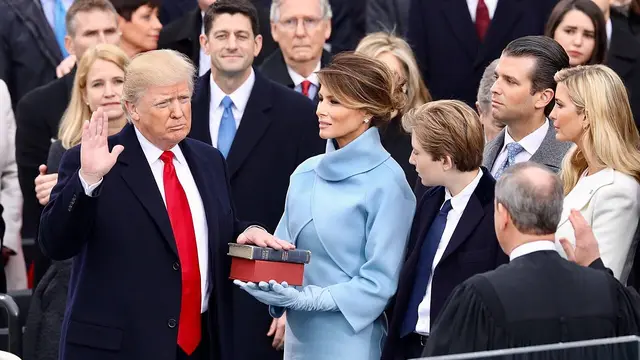
Trump hints at possible meeting with Kim Jong Un during APEC visit to China as North Korean leader tours ski resort
U.S. President Donald Trump said he may meet North Korean leader Kim Jong Un while attending the APEC summit in China, a suggestion made as Kim inspected a ski resort near the Chinese border. China has said it has no information on whether a meeting will occur.
Photo: The White House / Wikimedia Commons · Public domain
LAS News Desk · 17 Nov 2026, 19:27 WAT · 5 sources
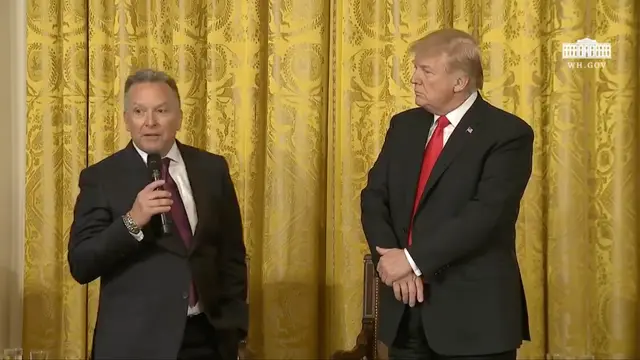
US envoy Steve Witkoff arrives in St Petersburg to meet Putin after constructive talks with Zelensky
Steve Witkoff, Donald Trump’s special envoy, landed in St Petersburg to discuss the Ukraine conflict with President Vladimir Putin following a positive meeting with Ukrainian President Volodymyr Zelensky in Oslo. The talks aim to open a pathway for further diplomatic engagement.
Photo: Wikimedia Commons contributor / Wikimedia Commons · Public domain
LAS News Desk · 21 Oct 2026, 09:45 WAT · 8 sources
Russian missile and drone strikes damage Kyiv bridge and power grid
Russia launched a massive overnight attack on Kyiv, damaging the Northern Bridge and critical energy infrastructure, leaving the capital facing severe shortages of heat and electricity as temperatures dropped.
LAS News Desk · 7 Nov 2026, 11:46 WAT · 2 sources
South Korea reduces Kyiv embassy staff as dispute over North Korean POW transfer deepens
Seoul is reducing its diplomatic presence in Kyiv after Ukrainian President Volodymyr Zelenskyy publicly revealed the transfer of two North Korean prisoners of war, a move Seoul claims breached a confidentiality agreement.
LAS News Desk · 31 Oct 2026, 16:15 WAT · 5 sources
China, US and Russia issue joint peace declaration after historic trilateral summit in Shenzhen
Chinese President Xi Jinping, US President Donald Trump and Russian President Vladimir Putin met in Shenzhen on 19 November 2026, issuing a joint declaration calling for UN reform, increased refined petroleum supplies and protection of diplomatic immunity.
LAS News Desk · 19 Nov 2026, 14:42 WAT · 10 sources
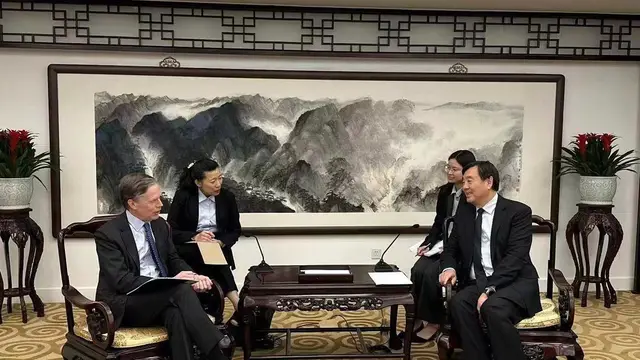
China envoy Zhai Jun signals willingness to deepen ties with Iran during regional tour
China's Middle East special envoy stated in Tehran that Beijing is ready to strengthen bilateral relations with Iran, emphasizing political solutions over military action amid ongoing regional tensions.
Photo: Ambassador of the United States of America to the People's Republic… / Wikimedia Commons · Public domain
LAS News Desk · 9 Nov 2026, 14:43 WAT · 3 sources
More World news ›
- California Representative Jimmy Gomez to resign after ethics committee finds credible sexual misconduct
- Pope Francis’ diaries reveal visions of the devil and a spiritual crisis
- Iowa to detonate five tonnes of lead azide after court clearance
- UK Health Security Agency reports record 5,258 heat‑related deaths in England during summer 2026
- Chinese official sentenced to death for spying, state‑linked report says