
FDA shelves Trump‑era fast‑track drug review programme
The FDA has quietly dropped the National Priority Voucher program launched in June 2025, after no new vouchers were issued since former Commissioner Marty Makary left in May. The move follows criticism of the programme’s political oversight and lack of progress.
By LAS News Desk · Published 12 Nov 2026, 20:16 WAT
FDA drops fast‑track drug review programme
The U.S. Food and Drug Administration announced that it has shelved the National Priority Voucher programme, a fast‑track drug review initiative that was launched in June 2025 under former Commissioner Marty Makary. The decision was reported by Reuters and the Independent World, both citing internal documents and sources familiar with the matter. No new vouchers have been awarded since Makary’s departure in May, and the programme has effectively stalled.
The initiative aimed to shorten the evaluation period for treatments tackling critical national health issues, such as pressing unmet medical needs, down to just one or two months. It was introduced as a daring solution for U.S. pharmaceutical oversight, yet it drew backlash for allegedly benefiting firms that complied with President Donald Trump’s requests, such as reducing medication costs.
A central feature of the plan involved a board of politically selected officials who monitored drug assessments and played a pivotal part in accelerating authorizations. The council has gone dormant, and the FDA has said it is keeping applications open but not advancing them.
Background
The National Priority Voucher programme was launched during the Trump administration in June 2025. It aimed to accelerate the review of drugs that addressed national priorities by providing a voucher that could reduce the review period to one or two months. The programme was intended to address urgent unmet health needs and was seen as a way to bring new therapies to patients more quickly.
Critics of the programme argued that it could lead to preferential treatment for companies that aligned with the administration’s priorities. The advisory board, which comprised former acting agency head Tracy Beth Hoeg and previous biologics leader Vinay Prasad, was viewed as a likely channel for political interference. The council’s role in speeding approvals raised concerns about consumer safety and transparency.
At a public session in June regarding the trial, former FDA official Peter Lurie argued that the scheme transferred evaluation authority to political figures, jeopardized public safety through shortened deadlines, and suffered from a lack of openness. Other regulatory experts, patient groups and industry groups echoed these concerns.
The initiative had issued 22 certificates, resulting in the authorization of twelve medications, five of which were approved after Makary left his post. For multiple treatments, the scheme reduced the time to approval by at least eight months. However, no new vouchers have been awarded since the programme’s launch.
Why it matters
The shelving of the National Priority Voucher programme means that the FDA will no longer offer a fast‑track review pathway that could have shortened drug approval times for therapies addressing national priorities. The decision reflects ongoing concerns about political influence in the drug review process and the lack of progress under the programme.
The programme’s failure to award new vouchers has implications for companies seeking accelerated approval for new therapies. The FDA’s decision to keep applications open but not advance them may delay the availability of new treatments for patients with urgent unmet needs.
The halt of the initiative also underscores the wider difficulties confronting the FDA, an agency that has lacked a commissioner since May. The agency’s internal chaos, infighting and lack of steady leadership have been cited as factors contributing to the programme’s failure.
What happens next
The FDA has stated that it is reviewing feedback from a June public hearing on the programme to refine the framework. The agency has not yet announced whether it will re‑introduce a similar fast‑track pathway in the future. No new vouchers have been awarded, and the programme’s lead administrator has departed.
This move by the FDA occurs while a vote on Heidi Overton’s appointment as agency commissioner is scheduled for November 18. The outcome of that vote may influence the agency’s future direction on drug review processes.
Health policy scholar Holly Fernandez Lynch characterized the suspension of the initiative as a scenario offering the worst aspects of both options, merging significant dangers of political meddling with minimal tangible advantages. The FDA’s next steps will likely involve further review of the programme’s structure and potential alternatives for accelerating drug approvals.
Sources
Spotted an error? · Corrections policy
Related stories
FDA mandates new vision loss warning for all GLP-1 weight loss and diabetes drugs
The US Food and Drug Administration has required all manufacturers of GLP-1 medications to add a safety warning regarding a rare eye condition that can cause sudden vision loss.
LAS News Desk · 10 Nov 2026, 12:46 WAT · 5 sources

US revokes more than 300,000 visas in second Trump term, prompting rights‑group criticism
The Trump administration has revoked more than 300,000 visas since early 2025, a figure that has drawn sharp criticism from rights advocates who allege violations of due process and free speech.
LAS News Desk · 27 Oct 2026, 16:45 WAT · 4 sources

Trump administration requests resignation of US ambassador to Greece amid ethics allegations
The White House has requested the resignation of US ambassador to Greece Kimberly Guilfoyle following allegations that she sought personal financial support from a donor and accepted lavish hospitality from Greek businessmen.
Photo: The White House / Wikimedia Commons · Public domain
LAS News Desk · 11 Nov 2026, 08:06 WAT · 5 sources
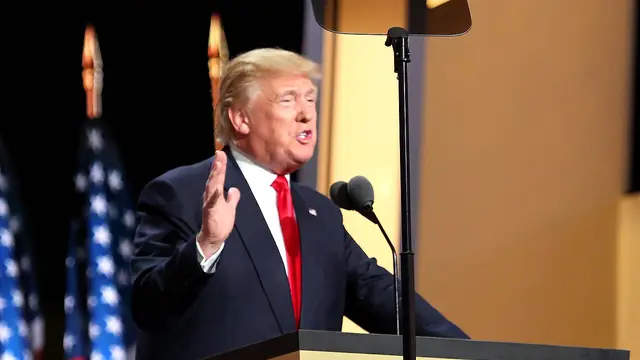
Obama urges voters to hold Trump accountable at Ohio and Michigan rallies
Former President Barack Obama spoke in Ohio and Michigan on 25 October, condemning Donald Trump’s policies on Iran, rising prices and governance, and urging Democratic voters to use the November 3 midterms to change congressional control.
Photo: Ali Shaker/VOA / Wikimedia Commons · Public domain
LAS News Desk · 25 Oct 2026, 10:15 WAT · 10 sources
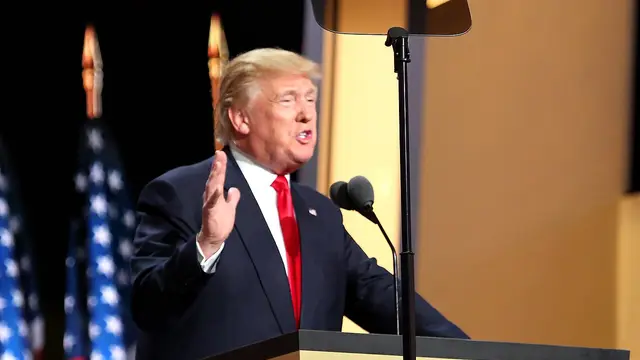
Judge blocks Trump’s White House ban on CNN, MS NOW and Politico
A federal judge has indefinitely extended a block on President Trump's ban of three media outlets from the White House, ruling that the revocation of their press passes likely violated constitutional rights.
Photo: Ali Shaker/VOA / Wikimedia Commons · Public domain
LAS News Desk · 11 Nov 2026, 08:47 WAT · 8 sources
Senate health panel blocks Trump‑nominated Jim O’Neill from leading the National Science Foundation
Republican Senator Bill Cassidy halted the confirmation of Jim O’Neill as NSF director, citing a failure to defend scientific integrity during his tenure at HHS and the CDC, ending the Trump administration’s pick for the agency.
LAS News Desk · 19 Nov 2026, 09:46 WAT · 7 sources
More Health news ›
- Virginia reports first measles-associated child death of 2026
- NHS England faces 10,000 patient shortfall in cancer treatment target
- Global Microsoft outage disrupts UK NHS, schools, and police services
- American Cancer Society recommends biennial PSA testing for average‑risk men aged 50‑69
- Public‑health‑focused candidates win US midterms as voters react to disease outbreaks