
COP31 opening day marred by long accreditation queues and transport complaints in Antalya
Delegates at the 31st UN Climate Change Conference in Antalya faced significant delays, with some waiting over five hours for badges and reporting overcrowded shuttle buses on the first day.
By LAS News Desk · Published 10 Nov 2026, 13:47 WAT
Many attendees expressed frustration due to major logistical hurdles encountered during the inaugural session of the 31st UN Climate Change Conference (COP31) held in Antalya, Türkiye. On Monday, 9 November, delegates, observers, and other participants encountered extensive delays while attempting to collect their accreditation badges. Reports indicate that some individuals spent more than five hours completing the accreditation process, with large crowds gathering around the venue entrance as they struggled to navigate the queues. A reporter from Premium Times noted that they personally waited for more than four hours to receive their badge, highlighting the scale of the congestion.
The difficulties were compounded by transportation issues. Participants complained about overcrowded shuttle buses used to convey them to the conference centre. The journey was described by several attendees as uncomfortable due to the high density of passengers within the vehicles. Furthermore, traffic congestion along the route to the venue added to the overall delay and frustration experienced by those arriving for the first day of the conference. At various points during the wait, some participants were observed expressing anger and arguing with one another, suggesting a lack of effective coordination in managing the accreditation flow.
Background
COP31 is scheduled to run from 9 to 20 November 2026 in Antalya. The event convenes a diverse group of participants, encompassing state delegates, climate negotiators, researchers, non-governmental groups, corporate entities, and other relevant parties. The primary objective of the summit is to discuss responses to the global climate crisis, with a specific focus on translating previous climate commitments into practical action. Key agenda items include climate finance, adaptation strategies, the energy transition, food security, agriculture, transport, and the development of resilient infrastructure.
The event serves as a critical platform for countries, particularly developing nations, to advocate for increased financial and technical support to address the impacts of climate change. The logistical failures on the opening day stand in contrast to the high-level diplomatic and scientific discussions intended to take place during the twelve-day conference. Organisers are now facing scrutiny over their ability to manage the influx of participants effectively, as the initial days of the conference set the tone for the remaining proceedings.
Why it matters
The logistical disruptions on the first day have raised concerns about the efficiency of the conference organisation. Leen Jones, an observer from Jordan, spoke to Premium Times about her exhaustion after arriving early in the day and spending several hours waiting. She described the experience as frustrating and expressed displeasure at the time wasted in the queues. Corazon Kisilu, a climate specialist affiliated with the Global Strategic Communications Council (GSCC), noted that extended waiting lines and transport logistics rendered the initial day challenging for those involved. Ms Kisilu specifically criticised the shuttle bus experience, noting that participants were packed inside the vehicles "like sardines". She also highlighted the traffic congestion along the route as a contributing factor to the difficulties.
Ms Kisilu indicated that this experience was unusual compared to previous climate conferences she had attended. The frustration expressed by attendees suggests that the logistical shortcomings may affect the morale and productivity of delegates during the critical early stages of the negotiations. For developing nations relying on this platform to secure support, any disruption to the flow of the conference could potentially impact their ability to engage effectively with other stakeholders.
What happens next
Participants have expressed hope that the organisers will improve the logistical arrangements in the coming days. As the conference proceeds through its scheduled end date of 20 November, attention will likely remain on whether the accreditation and transportation systems are adjusted to accommodate the large number of attendees. The focus of the conference is expected to shift from logistical management to the substantive discussions on climate finance, adaptation, and energy transition, with stakeholders aiming to reach agreements on practical actions to address the global climate crisis.
Sources
Spotted an error? · Corrections policy
Related stories
COP31 Opens in Antalya Amid Disputes Over Climate Finance and Emissions Targets
The COP31 climate conference began in Antalya, Turkey, with UN Secretary-General Antonio Guterres urging leaders to accelerate emissions cuts. Negotiations were delayed by disagreements between developed and developing nations regarding the inclusion of climate finance on the official agenda.
LAS News Desk · 9 Nov 2026, 13:10 WAT · 4 sources
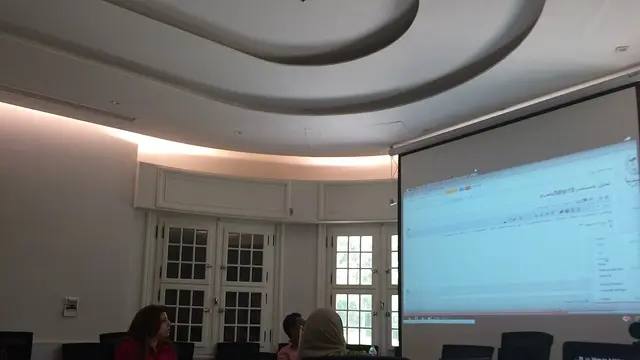
UN Women warns climate crisis could push 141 million women into extreme poverty
A new UN Women report released at COP31 states that 1.5 billion women live in climate hotspots, with warming trends threatening to deepen poverty and gender inequality by 2050.
Photo: May Hachem93 / Wikimedia Commons · CC BY-SA 4.0
LAS News Desk · 10 Nov 2026, 14:20 WAT · 2 sources
Nigeria Among 14 Developing Nations to Receive Methane‑Reduction Aid at COP31
At the COP31 climate conference in Antalya, Turkey, Nigeria was named one of 14 developing countries to receive support from the Super Pollutant Country Action Accelerator. The initiative now has $50 million pledged and aims to help 30 countries cut methane and other non‑CO₂ gases by 2030.
LAS News Desk · 13 Nov 2026, 14:15 WAT · 2 sources

EU monitor: 2026 likely second-hottest year as El Nino intensifies
The Copernicus Climate Change Service states 2026 is likely the second-hottest year on record, with global temperatures virtually certain to exceed the 1.5C Paris Agreement limit due to a strong El Nino.
LAS News Desk · 6 Nov 2026, 12:16 WAT · 2 sources
COP31 draft in Turkey omits fossil fuels as talks near final agreement
Negotiators at the United Nations climate summit in Antalya have presented a new draft that for the first time acknowledges warming could exceed 1.5°C, but it still does not name fossil fuels, prompting criticism from Ireland, the EU and developing nations.
LAS News Desk · 22 Nov 2026, 10:45 WAT · 8 sources
Singapore approves first carbon credit project in Rwanda for water filters
Singapore's NEA has authorised a Rwandan water purification project, allowing local firms to buy carbon credits to offset emissions while providing safe drinking water to 1.8 million people.
LAS News Desk · 14 Nov 2026, 11:18 WAT · 2 sources
More Africa/Nigeria news ›
- Senate schedules on‑site visit to Ogun communities to probe army land dispute
- President Tinubu praises Dr Musa Aliyu’s election as chair of African Asset Recovery Forum
- Atiku’s media adviser challenges Defence Ministry’s use of official social media to promote Tinubu rally
- South African golfer and Kenyan chef detained at Lagos airport over 50kg cannabis shipment
- Tinubu Reaffirms Commitment to Uninterrupted Academic Calendars at FUTA Convocation