
Akwa Ibom communities receive training to document oil pollution from abandoned Shell wells
Residents of Ikono and Ibiono Ibom LGAs in Akwa Ibom were taught how to monitor and record oil spills after decades of complaints about abandoned Shell wells, aiming to strengthen calls for remediation and accountability.
By LAS News Desk · Published 10 Nov 2026, 11:16 WAT
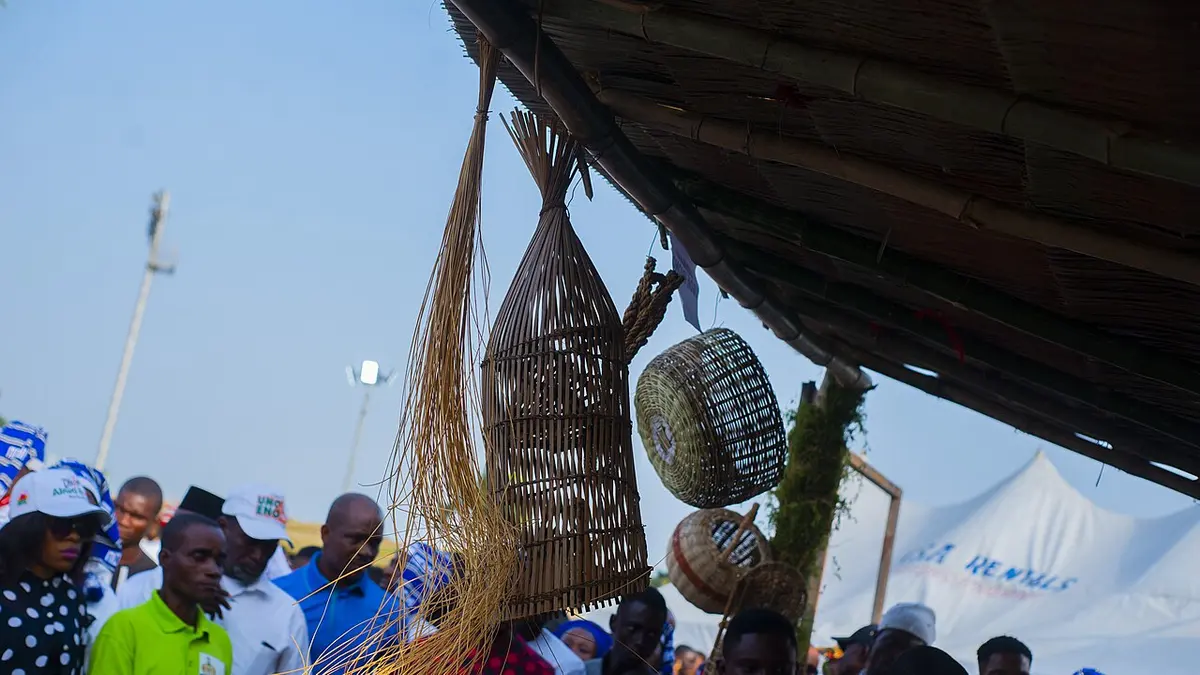
Residents of two local government areas in Akwa Ibom State, Nigeria, took part in a one‑day training session on Thursday aimed at improving their ability to monitor and document oil pollution. Hosted by the Health of Mother Earth Foundation (HOMEF), the session gathered traditional authorities, female leaders, young people, and agricultural workers from the Ikono and Ibiono Ibom local government areas to acquire skills in collecting proof and documenting oil spill events.
The training took place at Ikot Esenye Nkwot in Ikono LGA and focused on how to identify signs of contamination, record data, and communicate findings to authorities and oil companies. Participants were urged to form community groups that can systematically document spills, which they hope will strengthen demands for remediation and accountability after decades of unaddressed complaints.
Friday John, who serves as the village council chairman for Ntan Mbat in Ibiono Ibom LGA, stated that the community previously lacked knowledge on how to respond when oil contamination happened. He explained that the community had previously lacked the knowledge to respond to oil emerging from the ground. He further explained that the organization educated the locals on appropriate actions, leading residents to intend to systematically record and file reports on future pollution occurrences.
Background
Shell Petroleum Development Company (SPDC) was responsible for drilling and sealing the specific oil wells during the 1950s. According to the residents, Shell abandoned the wells about seventy years ago because they were deemed commercially unviable, yet crude oil continues to surface in farmlands and water bodies across the two LGAs. The seepage has been described as occurring without the presence of pipelines or recent drilling activity, rendering some areas unsafe for agriculture.
Local accounts trace the initial exploration to a group known locally as "Mbakara USA," who reportedly built a large house in the community and marked the locations where oil was first discovered. Over the years, community members have repeatedly complained to Shell and to Nigerian regulatory bodies, but they say they have received little or no satisfactory response. According to a September 2026 report by Premium Times, inhabitants called for immediate evaluation, cleanup, and safeguarding of the defunct wells and deteriorating petroleum facilities, pointing to reduced crop production, harmed natural environments, and suspected unlawful operations in the vicinity.
A document dated 2002 addressed to Shell’s Lands and Legal Department was sighted by Premium Times, indicating that the issue has been on record for many years, yet concrete action remains absent.
Why it matters
The ongoing oil seepage directly threatens the livelihoods of farmers and the health of local ecosystems. Residents describe oil contaminating farmlands, reducing crop productivity and making water sources unsafe. The training aims to empower communities to produce verifiable evidence that can be presented to Shell, the Department of Petroleum Resources and other relevant authorities, potentially prompting legal or regulatory action.
According to the participants, better documentation could also expose any illegal activities linked to the abandoned infrastructure, such as unauthorized extraction or dumping. The initiative reflects broader concerns across the Niger Delta, where communities have long struggled with environmental degradation linked to oil operations.
What happens next
Following the training, community members plan to establish monitoring groups that will regularly inspect wells, record incidents of oil emergence, and compile reports for submission to Shell and government regulators. HOMEF indicated that it will provide ongoing support and may facilitate further capacity‑building sessions.
Residents have called for an urgent, independent assessment of the abandoned wells and for Shell to fund remediation measures. They also seek clearer engagement from the Nigerian government to enforce environmental standards and protect affected communities.
The situation remains unresolved, with the next steps dependent on the ability of the newly trained community groups to gather compelling evidence and on the response of Shell and regulatory agencies to those findings.
Sources
Spotted an error? · Corrections policy
Related stories

Federal technical team sent to Ogun to investigate recurring subsurface gas emissions affecting schools
The Nigerian government has dispatched a specialised committee, led by NUPRC Assistant Director Prosper Okonedo, to Ogun State to examine gas seepages that have caused health concerns and disrupted secondary schools across the Ijebu axis.
LAS News Desk · 31 Oct 2026, 22:47 WAT · 2 sources

Shell agrees to transfer its Nigerian gas distribution arm to Vaaris Energy
Shell Plc has signed an agreement to sell its entire stake in the Shell Nigeria Gas Group to local firm Vaaris Energy, pending regulatory approval, as part of a broader portfolio simplification strategy.
LAS News Desk · 14 Oct 2026, 07:16 WAT · 2 sources
Suspected bandits kill three and abduct several women in Sokoto's Yartsakuwa community
Police confirmed three deaths after an early‑morning raid on Yartsakuwa in Sokoto State, while a resident says four people were killed. Multiple women were taken, and the number of missing remains unknown.
LAS News Desk · 16 Nov 2026, 07:15 WAT · 2 sources

Nigeria face Tanzania in Uyo as 2027 AFCON qualifiers loom
Nigeria’s Super Eagles travel to Uyo to face Tanzania in a Group L match that could keep their 2027 Africa Cup of Nations qualifying campaign on track after a 3‑0 defeat to Guinea‑Bissau.
LAS News Desk · 13 Nov 2026, 19:43 WAT · 6 sources
Nigerian Army rescues 16 hostages and seizes weapons in Niger State ambush
Nigerian Army troops rescued 16 kidnapped individuals and recovered rifles, explosives, and cash after ambushing suspected terrorists in Niger State on 5 November.
LAS News Desk · 6 Nov 2026, 23:16 WAT · 2 sources
Nigerian military refutes reports of secret cease‑fire with Boko Haram faction led by Bakura Doro
The army said there is no cease‑fire with any Boko Haram group, contradicting earlier claims that a secret truce had been in place since June to facilitate the release of abducted civilians.
LAS News Desk · 6 Nov 2026, 05:45 WAT · 4 sources
More Africa/Nigeria news ›
- Tinubu Reaffirms Commitment to Uninterrupted Academic Calendars at FUTA Convocation
- Fulham defender Calvin Bassey praised after 1-1 draw with Manchester City amid contract talks and United interest
- Jimmy Odukoya Leads Prayer Service as Fountain of Life Church Faces Leadership Dispute
- Lagos reopens Adetokunbo Ademola road section ahead of schedule
- NDLEA arrests South African golfer and Kenyan chef over 50kg cannabis smuggling