
US midterm outcomes spur new limits on data centre expansion and AI regulation
The 2026 US midterm elections resulted in several measures restricting data centre growth and calls for tighter AI oversight, reflecting voter concerns over cost of living and technology impacts.
By LAS News Desk · Published 8 Nov 2026, 16:15 WAT
The recent 2026 United States midterm elections have produced a wave of legislative measures aimed at curbing the rapid expansion of data centres and imposing greater oversight on artificial intelligence (AI) technologies. Voters in multiple states approved proposals that would limit the construction of new data‑centre facilities, while other initiatives called for tighter regulation of AI applications. These outcomes were interpreted by commentators as a response to growing public unease about the cost‑of‑living pressures linked to broader economic policies and the perceived societal impact of AI.
One notable example cited by the Guardian was a campaign event in Texas where Senator‑elect James Talarico recounted a constituent’s complaint about a nearby data centre’s bright lights disrupting nighttime conditions for a child. Such anecdotal evidence was used to illustrate the tangible community concerns that helped drive the ballot measures. The editorial accompanying the coverage suggested that the election results could undermine the narrative of an unfettered AI‑driven market boom, signalling a shift in voter sentiment toward more cautious technology policy.
Background
The push for data‑centre limits and AI regulation emerged against a backdrop of sustained growth in the tech sector, particularly in the United States. Over recent years, large‑scale data centres, often described as “mega‑sheds,” have proliferated to meet the rising demand for cloud computing and AI processing power. Funding for these facilities has frequently relied on debt, raising questions about long‑term financial sustainability. Concurrently, the political climate has been shaped by the economic fallout from President Donald Trump’s foreign policy actions, notably the war in Iran, which contributed to a cost‑of‑living squeeze that influenced voter behaviour in the midterms.
The Guardian’s commentary highlighted that the election results reflected an “anti‑AI sentiment” among the electorate, with several measures explicitly targeting the unchecked expansion of power‑hungry data centres. Although the report omitted exact figures for the enacted policies, it highlighted that numerous proposals to restrict data center growth had been approved, suggesting that voter-imposed controls are widespread across various regions.
Why it matters
The newly approved limits on data‑centre construction could affect a range of stakeholders, from technology firms planning new facilities to local communities concerned about environmental and visual impacts. Restrictions may also influence the pace at which AI services can be scaled, potentially slowing the deployment of advanced applications that rely on extensive computing infrastructure. For investors, the shift could introduce additional risk considerations, as the previously optimistic outlook for AI‑related growth faces heightened regulatory scrutiny.
From a policy perspective, the outcomes signal a growing willingness among voters to intervene in technology development, challenging the previously dominant narrative of unfettered innovation. The editorial suggested that the market’s “bubble” narrative for AI might be punctured, implying that financial markets could reassess valuations tied to AI and data‑centre expansion.
What happens next
The Guardian article did not detail specific legislative timelines or further procedural steps following the ballot measures. However, it indicated that the anti‑AI sentiment evident in the election results could influence upcoming policy debates and potentially lead to additional regulatory proposals at both state and federal levels. Stakeholders are expected to monitor how the newly passed measures are implemented and whether they prompt broader legislative action on AI governance.
Sources
Spotted an error? Report a correction · Corrections policy
Related stories
Global tech stocks tumble $1tn as Democrats win US midterms and AI fears mount
Major tech companies lost approximately $1 trillion in value following the Democratic victory in the US midterm elections, triggering a global sell-off driven by concerns over potential restrictions on AI data centre development.
LAS News Desk · 7 Nov 2026, 07:38 WAT · 2 sources

Democrats seize control of US Senate and House in 2026 midterm sweep
The 2026 US midterm elections gave Democrats majorities in both chambers, ending Republican dominance for the remainder of Donald Trump's term and prompting varied reactions across the country.
LAS News Desk · 4 Nov 2026, 21:15 WAT · 10 sources
Pro-regime crowds in Tehran burn banner of US leaders after Republican defeat in US midterms
Following the US midterm elections that saw the Republican Party suffer a heavy loss, supporters of Iran’s regime gathered in Tehran’s Enghelab Square to burn a large banner depicting Donald Trump, JD Vance, US envoy Steve Witkoff and Israeli Prime Minister Benjamin Netanyahu, while officials hailed the result as a rebuke of US policy toward Iran.
LAS News Desk · 7 Nov 2026, 14:16 WAT · 1 source
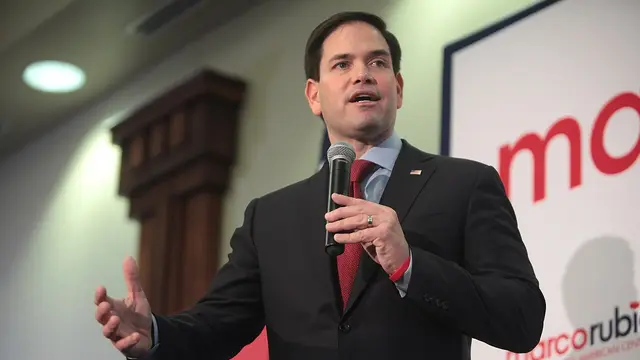
Marco Rubio Mulls Resignation Amid Trump Administration After US Midterm Losses
Reports suggest US Secretary of State Marco Rubio is weighing a departure from President Donald Trump’s team following the Republican defeat in the midterms, though the White House denies the claim.
Photo: Gage Skidmore from Peoria, AZ, United States of America / Wikimedia Commons · CC BY-SA 2.0
LAS News Desk · 6 Nov 2026, 05:45 WAT · 1 source

Fourteen Nigerian‑American Politicians Secure Key US Midterm Wins as Democrats Claim Majority
In the 2026 US midterm elections, Democrats won control of both houses of Congress and 14 Nigerian‑American candidates were elected to state and local offices, signalling growing diaspora influence.
LAS News Desk · 6 Nov 2026, 05:16 WAT · 1 source
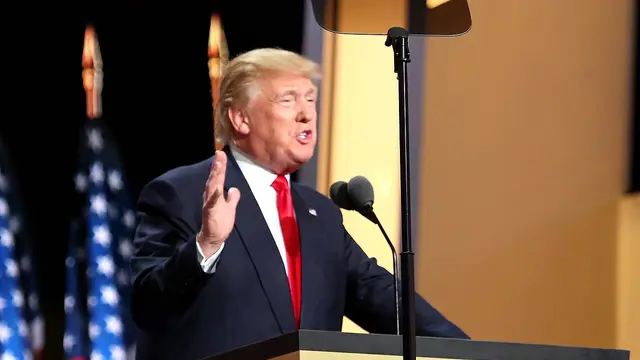
Trump blames ballot absence after Democrats seize Congress in 2026 midterms
Donald Trump claimed he would have won a landslide if his name appeared on the ballot following the November 3, 2026 midterm elections, which gave Democrats control of both House and Senate, highlighting his desire to link the vote to his personal popularity.
Photo: Ali Shaker/VOA / Wikimedia Commons · Public domain
LAS News Desk · 7 Nov 2026, 06:09 WAT · 1 source
More Business news ›
- Democrats face limited levers to address cost-of-living concerns after historic election win
- Freshways cuts milk price by 7p a litre, sparking concern among UK dairy farmers
- Nasdaq Slides 5.5% as AI Regulation Fears Trigger Worst Day in 18 Months
- Bank of England raises interest rates to 4% as inflation climbs
- Pound reaches strongest level since 2016 ahead of first Bank of England rate hike in three years