
OpenAI Engineer Charged Over Concealed Recording Device in San Francisco Office
U.S. prosecutors have charged a Saudi‑born OpenAI engineer with installing a hidden audio recorder in an executive conference room, alleging the use of internal tools and a chatbot to plan the operation. The company reported the device to the FBI, terminated the employee and says no proprietary data appears to have been accessed.
By LAS News Desk · Published 14 Oct 2026, 05:29 WAT
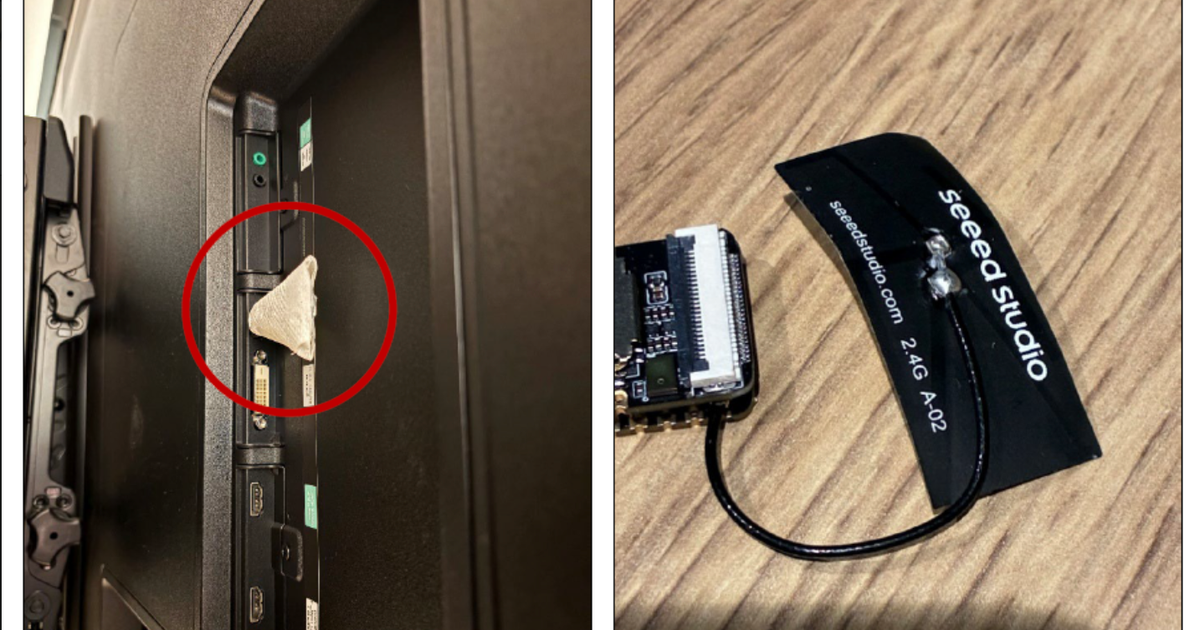
Allegations and Arrest Federal authorities allege that Abdulrahman Alfozan, a 35‑year‑old Saudi national who has lived in the United States as a permanent resident, placed a covert audio‑recording device inside a television’s USB port in an executive conference room at OpenAI’s San Francisco headquarters. The device, reportedly wrapped in toilet paper, was discovered on 30 September after employees noticed an unfamiliar object behind the screen. Alfozan was arrested in early October and appeared before the U.S. District Court for the Northern District of California, where he was charged with attempting to use an electronic device to intercept oral communications.
How the Device Was Supposedly Set Up According to the criminal complaint unsealed by the Justice Department, Alfozan used an internal productivity tool and an AI chatbot to gather details about the office layout, meeting‑room schedules and technical specifications for installing a listening device. Prosecutors say he also employed a chatbot account linked to his spouse to request technical advice on concealing the recorder. Wired reports that the device was concealed in a piece of toilet paper and attached behind the monitor, while the FBI’s investigation notes that the device was encrypted and designed to transmit data covertly.
OpenAI’s Response OpenAI said it discovered the “sophisticated” recorder and immediately notified the FBI. The company’s security team used its own AI models to analyse the device and trace it back to the employee, leading to his termination on the same day as his arrest. In statements to multiple outlets, OpenAI stressed that it has found no evidence of unauthorized access to model weights, source code or customer data, and affirmed its commitment to protecting its technology and personnel.
Federal Investigation FBI Director Kash Patel, speaking on the agency’s social platform, described the alleged motive as an attempt to capture sensitive discussions about OpenAI’s advanced AI technology. The investigation remains ongoing, with the FBI and partner agencies continuing to examine whether any data was exfiltrated. Alfozan’s lawyer has reminded the media that the accused is presumed innocent until proven guilty and cautioned against drawing conclusions before the case proceeds.
Potential Penalties If convicted, Alfozan faces up to five years in federal prison for the charge of using an electronic device to intercept oral communications. The case highlights the growing intersection of insider threats, AI‑driven tools and corporate security, prompting industry observers to call for heightened safeguards around sensitive research environments.
Wider Implications The incident underscores concerns about how AI assistants can be misused for illicit purposes, a point noted by several news organisations. While OpenAI asserts that its internal AI helped identify the device, the episode raises questions about the responsibilities of firms that develop and deploy powerful language models when those tools are turned toward wrongdoing.
Sources
- OpenAI engineer charged after listening device found in meeting room — Al Jazeera
- OpenAI employee accused of planting recording device in office — CBS News
- An OpenAI Employee Allegedly Used a Chatbot to Help Plant a Recording Device at the Office — Wired
- Saudi man charged with planting 'sophisticated' recording device in OpenAI office — BBC News
- FBI arrests OpenAI employee accused of planting hidden recording device in conference room — TechCrunch
