
Nigeria's foreign reserves rise to $55bn, CBN says they shield economy from global shocks
Nigeria's foreign exchange reserves climbed to around $55bn, the Central Bank of Nigeria says the level provides a buffer against external shocks and supports the stable naira.
By Lawal Ayo, Editor & Founder · Published 15 Oct 2026, 11:15 WAT
Rising reserve levels According to a recent correction issued by the Central Bank of Nigeria (CBN), the country’s foreign exchange reserves stood at $55.07 billion as of 9 October. A separate report from Nairametrics, citing figures released on 13 October, placed the reserves at $55.1 billion. The slight difference reflects the CBN’s update following a website glitch that had initially reported a lower figure.
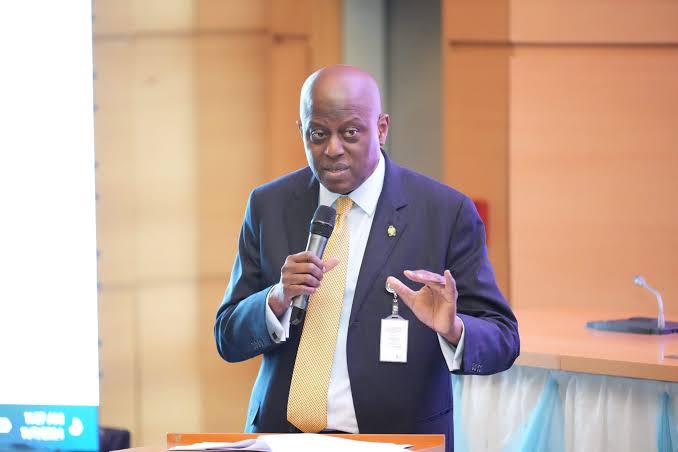
Governor’s remarks at the IMF–World Bank meeting At the annual meetings of the International Monetary Fund and the World Bank in Bangkok, CBN Governor Olayemi Cardoso highlighted the significance of the reserve growth. He described the current level as the highest in 18 years and stressed that the buffer protects ordinary Nigerians from external economic pressures.
Impact on the economy Cardoso explained that a larger reserve base helps shield the economy from shocks such as global commodity price swings, geopolitical tensions, and tariff changes. He also pointed out that the stronger reserves have contributed to a more stable and slightly appreciated naira, which in turn benefits consumers and businesses across the country.
Policy context The governor noted that the CBN’s early reforms and policy measures have been key to building this resilience. These include actions aimed at reducing inflation and maintaining exchange‑rate stability. He rejected claims that ordinary Nigerians were not reaping the benefits of these policies, arguing that the absence of robust reserves would have exposed the population to more severe negative effects.
Looking ahead While the CBN has not issued a new forecast for reserve growth, the current trajectory suggests continued accumulation of foreign assets. Analysts expect that the reserves will remain a central pillar of Nigeria’s strategy to manage external risks, especially in a volatile global environment.
Bottom line The corrected reserve figure of just over $55 billion underscores Nigeria’s growing capacity to absorb external shocks. Governor Cardoso’s comments at the IMF–World Bank forum reinforce the view that the reserves play a crucial role in maintaining economic stability and protecting the interests of ordinary Nigerians.
Sources
Spotted an error? Report a correction · Corrections policy
More in Africa/Nigeria

Lagos to Divert Traffic on Independence Bridge for Repairs from Oct 16‑18
The Lagos State Government will redirect traffic on the Independence Bridge between 16 and 18 October to allow urgent asphalt work by the Federal Ministry of Works, with one lane remaining open each day.
Lawal Ayo · 15 Oct 2026, 11:45 WAT · 2 sources

Martinez cites anger after Atletico loss, urges greater United investment
Lisandro Martinez said his post‑match outburst was driven by anger and frustration following Manchester United’s 2‑0 Champions League defeat, and he called for more summer spending and higher ambition from the club’s hierarchy.
Lawal Ayo · 15 Oct 2026, 11:45 WAT · 5 sources
Nigeria Immigration Service officer killed in Niger State patrol attack, colleague wounded
The Nigeria Immigration Service confirmed that Assistant Superintendent I.U. Babangida died and Inspector A.K. Musa was seriously injured after unidentified gunmen ambushed a routine patrol on the Tunga Taya‑Woro axis in Niger State on 6 October 2026. The service has pledged to work with authorities to bring the perpetrators to justice.
Lawal Ayo · 15 Oct 2026, 11:15 WAT · 2 sources