
EU Council President Costa proposes smaller 2028‑2034 budget with 3% levy on major digital firms
Antonio Costa presented a draft EU budget cut by €204 billion and introduced a 3% tax on large tech companies to lower member‑state contributions, a plan welcomed by some but rejected by France.
By LAS News Desk · Published 22 Nov 2026, 10:48 WAT
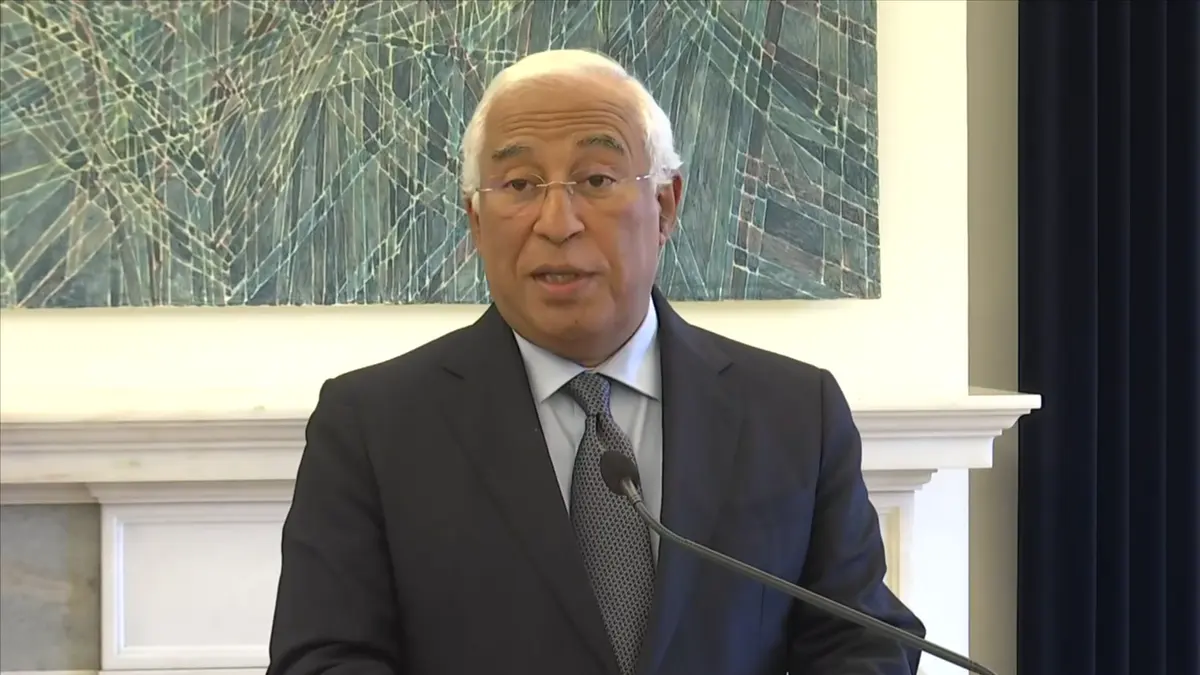
European Council President António Costa unveiled a new draft for the European Union’s 2028‑2034 multi‑annual financial framework on 21 November 2026 in Brussels. The proposal trims the previous Commission plan by €204 billion and introduces a 3% levy on the net turnover of the bloc’s largest digital companies. Costa said the package aims to keep national contributions at a “reasonable level” and bring the EU closer to a final agreement before the end of the year.
The tax would apply to firms whose digital‑activity turnover reaches at least €50 million within the EU and €750 million globally. Firms would be required to remit an amount equal to 3% of their net revenue generated through online ads, digital intermediation, and user data. The draft also contains other new revenue streams, including an electronic‑waste levy and higher tobacco taxes.
France immediately voiced strong opposition, describing the plan as “deeply disappointing” and insufficient. Germany, which had previously pressed for a much smaller budget, welcomed the reduction but continues to demand further cuts.
Background
The EU’s shared budget finances a wide range of policies, from agricultural subsidies and infrastructure projects to border control and defence. The European Commission first presented a €2 trillion seven‑year budget for 2028‑2034 in 2025. That figure was criticised by a group of northern members, notably Germany, which argued the budget was too large. In response, the Commission released a revised draft in October 2026 that cut the total by €140 billion, but the proposal still faced resistance.
Costa’s latest draft, announced on 21 November, further reduces the budget by €44 billion according to Politico Europe, bringing the total cut to €204 billion compared with the original Commission proposal. The Council President, representing all 27 EU member states, said the aim is to balance state contributions with new revenue sources, hoping to secure a deal before the December EU summit.
The digital levy follows earlier EU attempts to tax big tech firms, such as the Digital Services Tax discussions and the recent proposals on online advertising revenues. The minimum requirements of €50 million in EU sales and €750 million worldwide align with previous proposals by the Commission for a 'digital services contribution'.
Why it matters
If adopted, the 3% levy could generate billions of euros annually for the EU budget, easing the financial burden on member states that currently fund the bloc through national contributions. Smaller contributions could be politically attractive to countries wary of fiscal strain, especially as the EU faces an election cycle in 2027 with potential eurosceptic gains in France and elsewhere.
The proposal also has international implications. The RTE report notes that the United States, under President Donald Trump, is likely to criticise the levy, adding to existing tensions over EU regulatory actions against American tech giants. Domestically, the plan has split reactions: France’s rejection signals a possible stalemate, while Germany’s support for deeper cuts underscores the fiscal divide within the bloc.
Beyond the tech levy, the draft’s additional measures—such as an electronic‑waste levy and higher tobacco taxes—signal a broader effort to diversify EU revenue sources away from traditional member‑state contributions.
What happens next
The draft budget and tax proposal will be the focus of intensive negotiations when EU leaders convene in Brussels next week. Costa has indicated a target of reaching an agreement by December 2026, warning that delays could push discussions into the 2027 election year, complicating consensus‑building.
Should the Council reach a compromise, the final budget will still need approval from the European Parliament, which will conduct its own review and amendments. The timeline for parliamentary adoption has not been specified, but the process will likely extend into early 2027.
The outcome will determine whether the EU can secure new revenue streams from the digital economy and maintain a balanced budget without overburdening member states, a question that remains open as member states continue to voice divergent positions.
Sources
Spotted an error? · Corrections policy
Related stories

Chancellor John Healey to introduce tax allowance for low‑income pensioners
In his first Budget, Chancellor John Healey announced a new personal allowance for retirees whose income comes solely from the state pension, aimed at preventing the £13,036.40 pension from becoming taxable. The move follows a pledge by the previous government to shield such pensioners.
LAS News Desk · 27 Oct 2026, 06:45 WAT · 2 sources

EU Commission President condemns alleged Russian assassination plot in Denmark
Ursula von der Leyen said the EU fully supports Denmark after a foiled attempt to kill a US‑Ukrainian citizen, calling the alleged Russian intelligence operation an unacceptable attack on EU soil.
LAS News Desk · 22 Nov 2026, 09:39 WAT · 7 sources

European leaders urge deeper EU‑UK clean‑energy cooperation ahead of Brussels summit
Germany, Belgium, the Netherlands, Luxembourg and Denmark have written to EU leaders urging faster progress on the UK’s return to the EU electricity market and broader clean‑energy ties, ahead of a summit with the UK on 20 November.
LAS News Desk · 7 Nov 2026, 14:15 WAT · 1 source
Mayor Zohran Mamdani sets 2032 deadline to close Rikers Island and replace it with four borough jails
New York City Mayor Zohran Mamdani announced a plan to shut down the Rikers Island jail complex by 2032, replacing it with four smaller facilities and cutting the detainee population, after previous deadlines proved unattainable.
LAS News Desk · 21 Nov 2026, 01:15 WAT · 6 sources

Nigeria’s Tax Authority Sets November 30 Deadline for Crypto Operators to Register
The Nigeria Revenue Service (NRS) has imposed a deadline of 30 November 2026 for virtual asset service providers to register on its new VASP Tax Portal, with integration required by 31 December 2026. Failure to comply could trigger penalties under Nigerian tax and AML laws.
LAS News Desk · 20 Nov 2026, 11:16 WAT · 3 sources

EU AI rules extend to Northern Ireland for physical products
The UK government announced that EU AI regulations will apply in Northern Ireland only to goods with embedded AI systems, following the Windsor Framework. The move aims to give manufacturers clarity on dual market access.
LAS News Desk · 4 Nov 2026, 20:20 WAT · 1 source
More World news ›
- Iran attacks trigger fire at Bahrain industrial site and strike US bases as tankers hit in Hormuz
- Three dead and 36 missing after fire engulfs confectionery factory near Jakarta
- US Central Command refutes Iranian claim of missile strike on F-16 in Gulf
- Israeli strike on Gaza vehicle distributing food kills three, civil defence says four dead overall
- South Korean education minister resigns after AI‑assisted cheating scandal erupts ahead of university entrance exam